

Which Earl Grey Teas do not have PFAS “forever chemicals” present inside the tea leaves? This is the question we attempted to answer when we sent the most popular Earl Grey brands inside our community to an EPA-certified laboratory to (1) have the tea leaves tested for 40 PFAS analytes and then (2) have the tea bags tested for total fluorine. You’ve trusted Mamavation to bring you consumer studies like safest olive oils tested for phthalates, safest coffee tested for PFAS, mycotoxins, & pesticides, safest water filters, & safest cookware, now join us for our latest study testing popular Earl Grey Teas for specific PFAS compounds.
Disclosure: This consumer study is released in partnership with Environmental Health News. Scientific reviews were performed by (1) Linda S. Birnbaum, Scientist Emeritus and Former Director of the National Institute of Environmental Health Sciences and National Toxicology Program & Scholar in Residence at Duke University, Adjunct Professor at the University of North Carolina, & Yale University, & (2) Scott Belcher, Associate Professor with the Center for Environmental & Health Effects of PFAS at North Carolina State University. This post was medically reviewed by Sondra Strand, RN, BSN, PHN. Donations were provided by Environmental Health News and Mamavation community members. Note that Mamavation has only “spot-checked” the industry and thus we cannot make predictions about brands and products that we have not tested. Products and manufacturing aides can change without notice so buyer beware. This post contains affiliate links, with some to Amazon, which means Mamavation will receive a portion of those sales and we will use that to pay ourselves back for the testing. You can also give a tax-deductible donation to our consumer studies here through Environmental Health Sciences. Thank you!

Traces of PFAS “Forever Chemicals” Were Found in Most Earl Grey Tea Leaves
Mamavation’s EPA-certified laboratory found per- and polyfluoroalkyl substances (PFAS “forever chemicals”) in 11 popular Earl Grey tea leaves. These chemicals are linked to serious health effects, which we will discuss later. Because PFAS “forever chemicals” are so problematic to normal hormone action, Mamavation has commissioned our own scientific studies on PFAS in food products to make recommendations for the safest Earl Grey Teas. Continue reading Mamavation’s article on these products to find which brands have the safest Earl Grey tea according to our laboratory.
For this consumer study, Mamavation sent 12 popular Earl Grey tea from 12 brands to an EPA-certified laboratory looking for specific PFAS compounds. Because Mamavation only tested one product per brand, we cannot claim to know if these issues are, in fact, industry-wide or brand-wide. However, based on our “spot-check” of the industry, this is what we found:
- 91% of Earl Grey Tea Leaves had detectable PFAS “forever chemicals” according to our lab. That’s 11 out of 12 Earl Grey tea brands tested had PFAS.
- 25% of Earl Grey Tea Leaves had quantifiable levels of PFAS “forever chemicals” according to our lab. This means the levels of PFAS found were high enough to quantify. That’s 3 out of 12 Earl Grey tea brands.
- The most common type of PFAS found by our lab was Perfluoropentanoic acid (PFPeA).
- 100% of tea bags tested by our lab had total fluorine levels, a combination of inorganic fluoride and potential PFAS. Because black tea is known to have high amounts of fluoride, you can assume most of what we found was inorganic fluoride and not PFAS.
- 33% of tea bags had over 100 ppm total fluorine. That’s 3 tea bags out of 9 total tested. This would likely be high amounts of inorganic fluoride and not PFAS.
Linda S. Birnbaum, Scientist Emeritus and Former Director of the National Institute of Environmental Health Sciences and National Toxicology Program & Scholar in Residence at Duke University, Adjunct Professor at the University of North Carolina, & Yale University had this to say: “It’s disappointing to find so many PFAS chemicals inside Earl Grey Tea. We really don’t want or need more exposure to hormone-disrupting chemicals.”

Specific PFAS Found by Mamavation’s Laboratory
Mamavation’s laboratory found three specific PFAS chemicals within the Earl Grey tea leaves. Although we were not able to get specific details of where each brand’s sourcing farms were located, most of the geographic regions sourced from based on marketing materials and customer service inquiries were Sri Lanka, China, India, and the United States. These chemicals are listed as the most commonly found in our study. In other words, the most commonly found was PFPeA.
- PFPeA: Perfluoropentanoic acid (PFPeA) is a lesser-known PFAS compound most notably found in firefighting foams, industrial surfactants, stain-resistant coatings for textiles, carpets, and furniture. PFPeA is an example of “short-chain” PFAS compounds which were created to replace “long-chain” PFAS, such as PFOA and PFOS. Although PFPeA has not been studied intensively, such “short-chain” PFAS chemicals have already become very persistent in the environment and can get into places they were not expected to be found. In animal studies, this chemical has also been linked to liver problems, inflammatory responses, and immune issues. North Carolina is the state where this chemical is most likely found in the water supply. This chemical is part of a family of perfluoroalkyl carboxylates, which is similar in structure to PFOA but with a carbon chain length of 5 carbons. PFPeA can also be found in the body due to dermal contact.
- PFOA: Perfluorooctanoic acid (PFOA) is the most well studied PFAS chemical with a wide variety of adverse health effects in both animals and people. This chemical has been classified as carcinogenic to humans by The International Agency for Research on Cancer (IARC)and the US EPA. Many PFAS, such as PFOA, do not break down in the environment via natural processes and are commonly referred to as “forever chemicals” because of their status as a persistent organic pollutant (POP). PFOA is known to move through the environment and contaminate drinking water and soil as it bioaccumulates. Residues have been consistently found throughout the world in wildlife, humans, and the environment.
- PFHxA: Perfluorohexanoic acid (PFHxA) has been reviewed by the Environmental Protection Agency (EPA) and is considered a hormone-disrupting chemical. PFHxA can be a “breakdown product” of other PFAS compounds and is also another “short-chain” PFAS chemical that replaced “long-chain” PFAS chemicals in commerce. It is used in stain-resistant fabrics, paper food packaging, carpets, & manufacturing photographic film.

Recent Studies on PFAS in Teas Have Demonstrated Widespread Contamination
The past five years have seen a flurry of studies looking at specific PFAS compounds and certain foods and beverages like tea. We could not find a study that looked specifically at Earl Grey teas, however, many other types of tea like green tea have been studied and found to contain certain compounds of PFAS. In fact, one study claimed that people who drank more tea were more likely to have higher levels of PFAS in their blood. Here are some recent examples of studies done on teas:
- In a study published in 2023, tea bags coming from India were found to contain PFOS, PFHxS, and PFuNA present in the tea bag powder and tea bag material.
- In a study published in 2022, bubble tea was found to contain certain PFAS compounds at concerning levels.
- In a Japanese study published in 2021, PFAS was found in Japanese teas, among other products like bottled water and juice.
- Another study in 2021 found specific PFAS compounds in beer and tea.
- A study in 2020 found that coffee/tea was associated with higher plasma concentrations of specific PFAS as well.
Because tea is an everyday product used by millions of families in the United States, Mamavation wanted to establish which Earl Grey tea brands would be considered the “safest” in terms of PFAS.
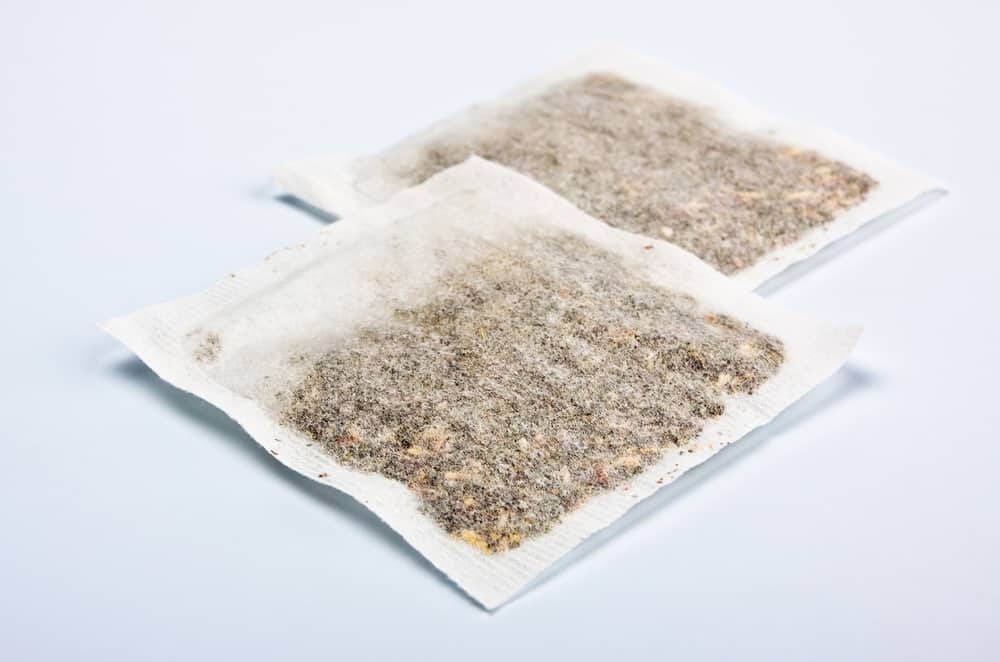
Most Tea Bags Tested by Mamavation’s Lab Tested Were Found to Contain Fluorine
To test the tea sachets, we looked for a broad category of fluorine-containing chemicals instead of testing for organic fluorine. The testing had some limitations when so much fluoride was present, which is to be expected with Earl Grey teas. So we are reporting the results in total fluorine instead of organic fluorine, which is a combination of both organic fluorine and fluoride. This means the results would include fluoride from the tea leaves rubbing up against the tea sachets and also indications of PFAS “forever chemicals” together.
Not all brands had available tea bags. Some of them were in powder form or had only loose tea leaves available. But If we were able to purchase tea bags from the brand, we tested those tea bags separately. In addition, we purchased loose tea leaves to test those that were not previously inside tea bags for the results of the 40 PFAS compounds.
Total fluorine can be a good indicator of PFAS “forever chemicals.” According to Scott Belcher, Associate Professor with the Center for Environmental & Health Effects of PFAS at North Carolina State University, “the chemical testing methods used evaluate the fluorine in the samples, by converting the fluorine found in PFAS and some medications to fluoride. Detecting excess amounts of fluoride, a common mineral, suggests the presence of PFAS and other synthetic fluorinated chemicals, which can include inorganic fluoride.”
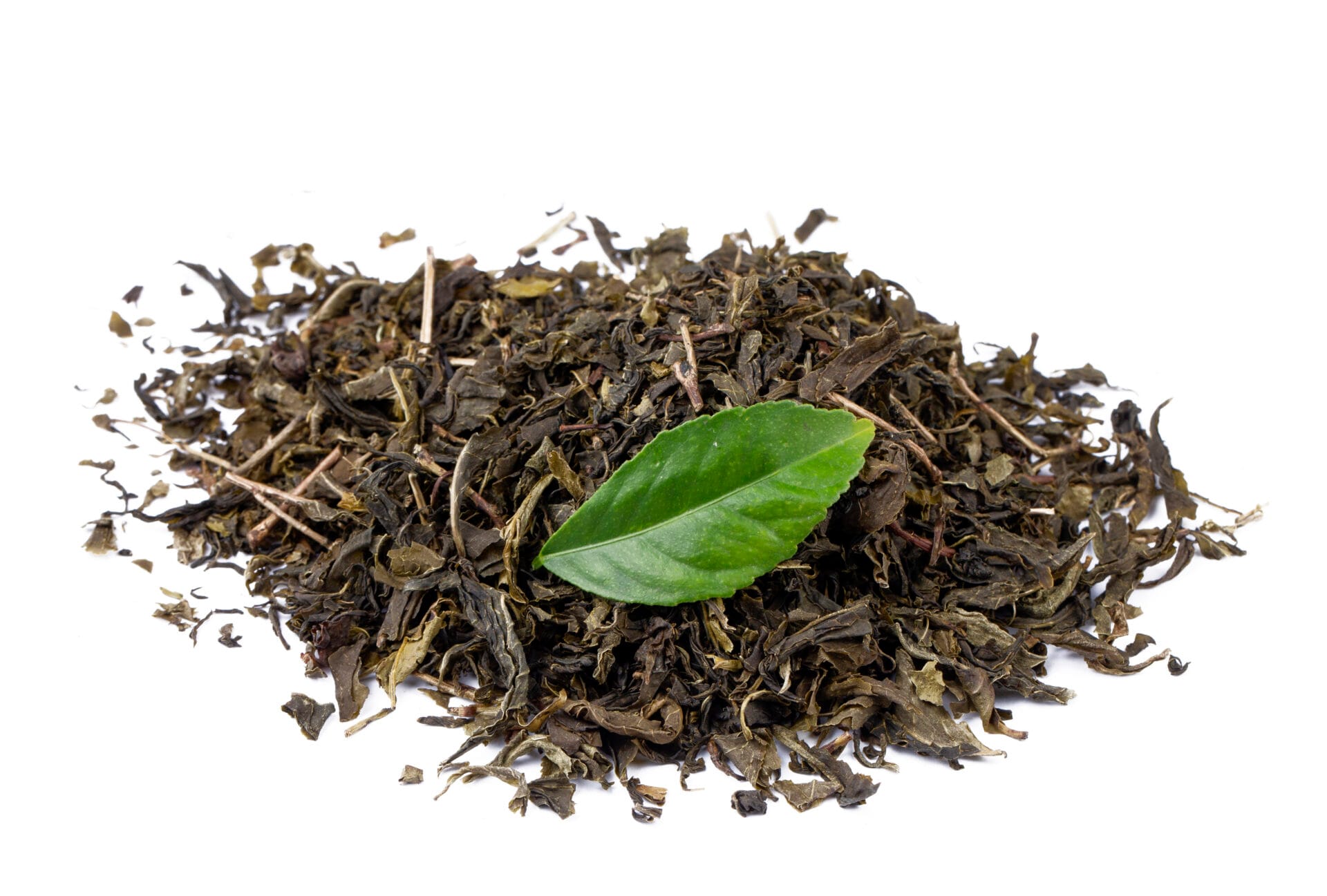
Product Brands We Tested
To help our community make safer choices, Mamavation sent a variety of Earl Grey teas to our EPA-certified laboratory for PFAS testing. Loose-leaf teas were tested for 40 specific PFAS compounds, while tea sachet bags were also evaluated for total fluorine as a marker for potential PFAS “forever chemicals.”
Below is the complete list of Earl Grey tea products included in our investigation.
Earl Grey Teas Tested by Mamavation
-
Allegro Tea Organic Floral Earl Grey Tea
-
Frontier Co-Op Earl Grey Black Tea Certified Organic Tea
-
Numi Organic Black Tea Aged Earl Grey Assam Aged with Real Bergamot
-
Pique Miss Grey Black Tea Energy/Digestion Bioavailable Full Spectrum Tea Crystals
-
Stash Loose Leaf Double Bergamot Earl Grey
-
Taylors Earl Grey Leaf Tea Black Tea with Natural Oil of Bergamot
-
Harney & Sons Master Tea Blenders Earl Grey Flavored Black Tea
-
Mighty Leaf Organic Earl Grey Smooth Black Tea
-
Organic Positively Tea Company Earl Grey De La Creme Organic Black Tea
-
The Republic of Tea Earl Greyer Full-Leaf Loose Black Tea
-
Two Leaves and a Bud 50 Naked Sachets Earl Grey Whole Leaf Black Tea
-
FGO Organic Earl Grey Loose Leaf Tea Plant-Based Full-Bodied Flavor with a Touch of Bergamot
Want full access to the raw data, PFAS analyte results, and our recommendations for the safest Earl Grey teas? Become a Member and get Free Access to the complete buying guide with detailed lab results for every product.
Mamavation's Investigation of Earl Grey Tea and 40 Analyte PFAS Testing
Earl Grey Tea was purchased between August 2023 and June 2024. For this consumer study, two sets of products were purchased mostly from Amazon including loose-leaf Earl Grey tea leaves and sets of Earl Grey tea in tea sachet bags. Each product was recorded in our database and then sent directly to the lab within its original packaging. [Update: more teas were added in 5/2026] Testing Loose Leaf Tea: Mamavation's EPA-certified laboratory used method EPA 1633 to test for 40 PFAS compounds, including the following:- Perflurobutanoic acid (PFBA)
- Perfluoropentanoic acid (PFPeA)
- Perfluorohexanoic acid (PFHxA)
- Perfluoroheptanoic acid (PFHpA)
- Perfluorooctanoic acid (PFOA)
- Perfluorononanoic acid (PFNA)
- Perfluorodecanoic acid (PFDA)
- Perfluoroundecanoic acid (PFUnA)
- Perfluorododecanoic acid (PFDoA)
- Perfluorotridecanoic acid (PFTrDA)
- Perfluorotetradecanoic acid (PFTeDA)
- Perfluorobutanesulfonic acid (PFBS)
- Perfluoropentansulfonic acid (PFPeS)
- Perfluorohexanesulfonic acid (PFHxS)
- Perfluoroheptanesulfonic acid (PFHpS)
- Perfluorooctanesulfonic acid (PFOS)
- Perfluoronanesulfonic acid (PFNS)
- Perfluorodecanesulfonic acid (PFDS)
- Perfluorododecanesulfonic acid (PFDoS)
- 1H,1H, 2H, 2H-Perfluorohexane sulfonic acid (4:2FTS)
- 1H,1H, 2H, 2H-Perfluorooctane sulfonic acid (6:2FTS)
- 1H,1H, 2H, 2H-Perfluorodecane sulfonic acid (8:2FTS)
- Perfluorooctanesulfonamide (PFOSA)
- N-methyl perfluorooctanesulfonamide (NMeFOSA)
- N-ethyl perfluorooctanesulfonamide (NEtFOSA)
- N-methyl perfluorooctanesulfonamidoacetic acid (NMeFOSE)
- N-ethyl perfluorooctanesulfonamidoethanol (NEtFOSE)
- Hexafluoropropylene oxide dimer acid (HFPO-DA)
- 4,8-Dioxa-3H-perfluorononanoic acid (ADONA)
- Perfluoro-3-methoxypropanoic acid (PFMPA)
- Perfluoro-4-methoxybutanoic acid (PFMBA)
- Nonafluoro-3,6-dioxaheptanoic acid (NFDHA)
- 9-Chlorohexadecafluoro-3-oxanonane-1-sulfonic acid (9CI-PF3ONS)
- 11-Chloroeicosafluoro-3-oxaundecane-1-sulfonic acid (11CI-PF3OUdS)
- Perfluoro(2-ethoxyethane)sulfonic acid (PFEESA)
- 3-Perfluoropropyl propanoic acid (3:3FTCA)
- 2H,2H,3H,3H-Perfluorooctanoic acid (5:3FTCA)
- 3-Perfluoroheptyl propanoic acid (7:3FTCA)

Not Our Favorite Earl Grey Teas
Our lab found quantifiable amounts of specific PFAS within these tea leaves. Of the 40 PFAS analytes tested for at least one was found. We also put brands here where we found over 200 ppm of total fluorine in the tea sachets.- Allegro Tea Organic Floral Earl Grey Tea -- 0.643 ng/g (ppb) PFPeA
- Tea Bag -- 14 ppm total fluorine
- Frontier Co-Op Earl Grey Black Tea Certified Organic Tea -- 0.415 ng/g (ppb) PFPeA
- No Tea Bag
- Numi Organic Black Tea Aged Earl Grey Assam Aged with Real Bergamot -- <MRL PFPeA
- Tea Bag -- 522 ppm total fluorine
- Pique Miss Grey Black Tea Energy/Digestion Bioavailable Full Spectrum Tea Crystals -- 0.401 ng/g (ppb) PFPeA, <MRL PFOA
- No Tea Bag
- Stash Loose Leaf Double Bergamot Earl Grey -- <MRL PFPeA
- Tea Bag -- 388 ppm total fluorine
- Taylors of Harrogate Earl Grey Leaf Tea Black Tea with Natural Oil of Bergamot -- <MRL PFOA
- Tea Bag -- 260 ppm total fluorine

Better Earl Grey Teas
Our lab could not find quantifiable amounts of specific PFAS compounds; however, they did find the presence of at least one specific PFAS compound within the tea leaves. This means the lab could detect PFAS, but it wasn't in high enough amounts to determine how much was in there. If tea bags were available, our lab also tested those bags separately for total fluorine, which is an indicator of PFAS and fluoride combined.- Choice Organics Black Tea Earl Grey -- <MRL PFBA [updated 5/2026]
- Hampstead Organic Earl Grey Tea Biodynamic Black Tea -- <MRL PFBA. [updated 5/2026]
- Harney & Sons Master Tea Blenders Earl Grey Flavored Black Tea -- <MRL PFPeA
- Tea Bag -- 16 ppm total fluorine
- Mighty Leaf Organic Earl Grey Smooth Black Tea -- <MRL PFPeA
- Tea Bag -- 15 ppm total fluorine
- Organic Positively Tea Company Earl Grey De La Crème Organic Black Tea, Natural Vanilla Flavoring, Organic Cornflowers and Natural Bergamot Flavoring -- <MRL PFPeA
- No Tea Bag
- The Republic of Tea Earl Greyer Full-Leaf Loose Black Tea Premium Quality Black Tea Leaves and Natural Oil of Bergamot -- <MRL PFPeA, <MRL PFOA
- Tea Bag -- 18 ppm total fluorine
- Two Leaves and a Bud 50 Naked Sachets Earl Grey Whole Leaf Black Tea -- <MRL PFPeA, <MRL PFHxA
- Tea Bag -- 21 ppm total fluorine

Best Earl Grey Teas
Our lab determined no PFAS compounds were found in the Earl Grey tea leaves. [Update: more teas were added 5/2026]- Five Mountains Bergamot Black Organic Earl Grey Tea -- Non-detect [update 5/2026]
- From Great Origins (FGO) Organic Earl Grey Loose Leaf Tea Plant-Based Full-Bodied Flavor with a Touch of Bergamot -- Non-detect
- Rishi USDA Organic Earl Grey Tea -- Non-detect [update 5/2026] (Use discount code "MAMAVATION15" for 15% off products!)
- Thrive Market Organic Earl Grey Black Tea -- Non-detect [update 5/2026]
 Safest Non-Toxic Parchment Paper Without PFAS “Forever Chemicals”–Lab Reports