
Netflix recently debuted the documentary “The Plastic Detox,” a surprisingly uplifting story that explores the connection between plastics and infertility. It also explores the question, can plastic reduction help couples get pregnant after they have struggled with infertility? The answer is yes, it’s a possibility. There’s also a toxicity test from Million Marker that you can use to help support the process of detoxing your home. You’ve trusted Mamavation to bring you topics like safest cooking oils tested for phthalates, safest children’s multivitamins & women’s multivitamins tested for pesticides, heavy metals, phthalates, and PFAS “forever chemicals.” Now join us for the details behind the Netflix documentary “The Plastic Detox,” tips on how you can lower the effects of plasticizers in your life, and a test you can use.
Disclosure: This post contains affiliate links.

“The Plastic Detox” on Netflix — Toxic Plasticizers Decrease Fertility
The Plastic Detox is a hard-hitting documentary exposing the hormone-disrupting effects of plastic use in our everyday lives. Six couples commit to removing plastic from their homes and diet in hopes of increasing their fertility and getting pregnant. While you are going through this emotional rollercoaster with the couples, the film takes you through the science of endocrine disruption, its impacts on fertility, and other ways that plastics are harming our Planet.
With an Academy Award-winning production team, The Plastic Detox introduces you to Professor Dr. Shanna Swan, who has been studying the effects of phthalates and other endocrine-disrupting chemicals on our fertility for over 20 years.
The questions that are asked:
- Is all this plastic and its manufacturing helping or hurting us, or both?
- With declining fertility globally and its links to hormone-disrupting chemicals in plastics, do we really need this much plastic in our lives?
- What types of plastic are needed vs. what can we get rid of?
- What can couples do to reduce the hormone-disrupting effects of plastics in their lives?
Plastic exposure has been linked to hormone disruption, a global rise in fertility challenges, increasing cancer rates, & early occurrences of heart disease & stroke. By combining scientific insight with personal stories, the film shows how simple changes in your environment can lead to positive changes within months and increase the likelihood of a successful pregnancy.

Recommendations on Toxic Plastic Reduction
Plastics are everywhere in our homes; however, there are some simple tips to reduce this exposure.
- Avoid purchasing food, beverages, and personal care products in plastic packaging whenever possible.
- Do not warm food in plastic containers in the microwave. Swap them out for glass or ceramic.
- Change your food containers to non-plastic materials like glass & stainless steel.
- Avoid fast food as much as possible. Consider cooking from scratch and “processing” your food in your own kitchen to reduce exposure to plastics.
- Reduce the amount of polyester (plastic) in your clothing and opt for more natural materials like cotton & wool
- Use cooking oils with the least amount of toxic phthalates. Although selecting oils in a plastic bottle won’t avoid all phthalates, the brands that have lowered plastic exposure during manufacturing may not be obvious to the naked eye. This is why Mamavation does testing to give you those answers.
- Consume supplements with no or lower amounts of toxic phthalates and PFAS “forever chemicals.” Mamavation has tested women’s multivitamins and children’s multivitamins for you.
- Avoid plastic cutting boards and swap to a wooden cutting board. We have done the work here to find a good one for you — even accounting for the toxic glues they may be using.
- Swap your kitchen utensils from plastic to wood or steel. We’ve done work to find you good ones here.
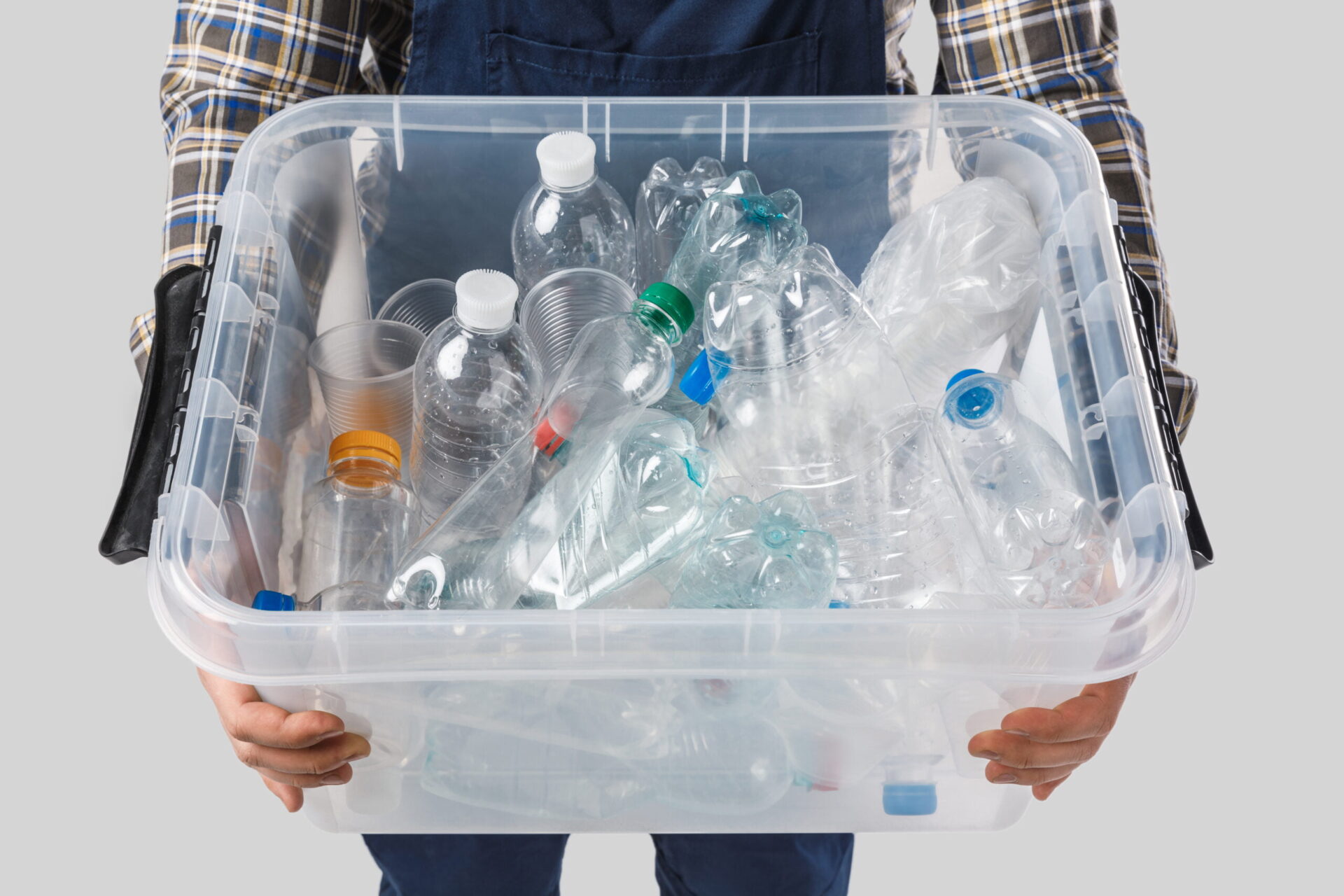
- Ditch bottled water completely. Instead, use filtered water (here are the best ones) and put it in a safer reusable water bottle. If you want the safest sparkling water, we’ve also tested those here.
- Go fragrance-free when opting for personal care products. Many undisclosed fragrances contain phthalates.
- Decline touching receipts unless they are bisphenol-free. Bisphenol exposure is highest when handling receipt paper. Here are some companies that offer safer bisphenol-free receipts: Target, Best Buy, CVS, Costco, Trader Joes, Home Depot, Kohls, Office Depot, Whole Foods, Walgreens, Chipotle, Starbucks, Five Below, & REI. (You can thank Mamavation for our successful Target campaign, which resulted in Target changing its receipt paper by the end of 2019, but the rest of the credit goes to the tireless efforts of the Mind the Store campaign at Toxic-Free Future.)
Test Yourself & Your Family for Toxic Chemicals
Would you like to use the same resources that are used by couples featured in The Plastic Detox? Couples used the Million Marker test to determine their baseline toxic plastic exposure before they started making changes.
Million Marker is the only direct-to-consumer (DTC) mail-in toxicity test currently available. This is the same test used in the documentary to track what was happening with each couple. This test finds BPA, phthalates, parabens, and many other common household chemicals that can disrupt hormones. In addition, the Million Marker Fertility Kit has been validated in clinical studies. This means it’s highly accurate and has been used to collect clinical data in a study.
Million Marker is offering the Mamavation community discounted testing kits. Here are those details:
- Million Marker Exposure Test (Use discount code “MAMAVATION” for $20 off your product)
- Million Marker Fertility Test (Use discount code “MAMAVATION” for $50 off your product)
 Paper Towels Tested for Indications of PFAS “Forever Chemicals” — Guide