
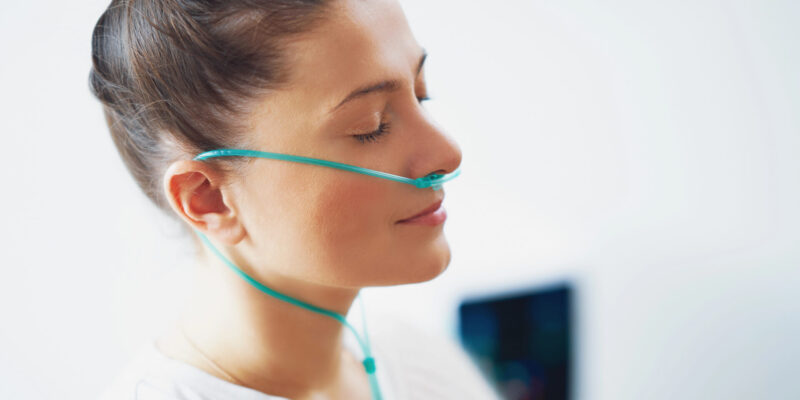
Hydrogen inhalation machines used for molecular hydrogen therapy have become very popular among wellness and biohacking communities online, but which machines are the safest and highest quality? Mamavation is not here to judge whether these machines are the secret to longevity; rather, we are here to help you make the best-informed decision about quality after you’ve already decided to purchase one. You’ve trusted Mamavation to bring you topics like (1) safest cooking oils tested for phthalates, (2) best water filters to capture PFAS, (3) best shower filters, and (4) best red light therapy machines. Now, join us for our consumer study on the safest hydrogen inhalation machines.
Disclosure: This post contains affiliate links. This investigation is for information purposes only and does not qualify as medical advice. Please seek your doctor’s advice before starting any molecular hydrogen therapy regimes.
Table of Contents
Molecular Hydrogen Therapy Review of Clinical Studies
Molecular hydrogen therapy has generally demonstrated safety and numerous health benefits in clinical studies and trials, but it’s still important to check with your doctor before starting any new therapy. First off, hydrogen does not bind to hemoglobin in the bloodstream and thus has not induced heme-related toxic effects as other gases have. Animal and some human studies have not demonstrated harm, even across several delivery methods, including drinking H2-saturated water, inhaling H2 gas at different levels, injecting H2-rich saline, and other methods such as topical application and dialysis. And finally, just to remind you, this gas has been employed by deep-sea divers to prevent decompression sickness for a long time with no side effects. For the purposes of this investigation, we will focus on gas inhalation and products to support those efforts.
By delivering hydrogen directly to the lungs via a hydrogen inhalation machine, this method enables faster absorption, making it a particularly appealing option for those seeking rapid results. Clinical studies and trials are the most important to look at because they are able to show you the truth beyond the placebo effect and marketing budgets. Molecular hydrogen therapy seems to have positive effects when analyzing over 64 clinical studies and 81 registered clinical trials in some of the following categories:
- cardiovascular diseases,
- respiratory diseases,
- central nervous system disorders,
- infections,
- metabolic conditions and weight control,
- rheumatoid arthritis and other autoimmune diseases,
- inflammation and pain
It’s also important to know what we do NOT yet know about molecular hydrogen therapy, because those gaps in the science are important for you to understand when you are being marketed to by several companies trying to sell you something. Here are some examples of what the clinical and peer-reviewed research has not told us yet:
- We have major issues with regulation and standardization. There is a lack of standardized manufacturing and testing protocols, leading to wide variability in product quality. Very few of these devices are formally approved as medical treatments; thus, these products operate as “wellness tools,” some for clinical use and some for home use.
- We do not know what the optimal dosing, duration, and frequency should be. We know 150-600+ ml/min for inhalation shows benefits in studies, but we lack precise “dose response” data for specific conditions. Is more or less better? It’s unclear, but we have categorized all units in our reporting by flow rate and placed the more professional machines in our “best” category.
- We don’t know the long-term effects of people using inhalation machines daily. Most of these studies are short-term, lasting weeks or months. Data on humans’ daily use of these machines is very limited. So, are there any subtle long-term risks, such as effects on the gut microbiome, hormone balance, or adaptation/tolerance? This can’t be answered yet, but hopefully will in time.
- We don’t fully understand the mechanisms of action in humans. H2 is a selective antioxidant and signaling molecule, but the exact pathways (beyond Nrf2, inflammation markers, and mitochondrial support) are not fully mapped out in humans. Much of our understanding is based on animal studies, which are very useful but do not yet paint the full picture.
- We don’t understand yet which conditions it helps the most. There is strong preliminary evidence for oxidative stress-related issues like inflammation, metabolic syndrome, respiratory conditions, post-exercise recovery, and some neurological support. However, we have mixed or weak results for others, like advanced cancer stand-alone treatments and cognitive decline in healthy people. In other words, be careful about the marketing claims when people are selling you machines.
- We don’t yet understand the best delivery methods and combinations. So, although it would logically make sense that hydrogen inhalation machines would be better because they deliver more H2 to your body, we cannot say that based on clinical studies. We also do not know if these practices will interact with other medications, supplements, or other therapies so please discuss treatment with your doctor before you start.
- We don’t understand the variability and why different people respond differently. In other words, why do some people see dramatic effects while others see minimal effects? Could factors like age, genetics, gut health, baseline oxidative stress, and microbiome play a role in outcomes and individual results? Possibly.
Not All Hydrogen Inhalation Machines are Created Equal
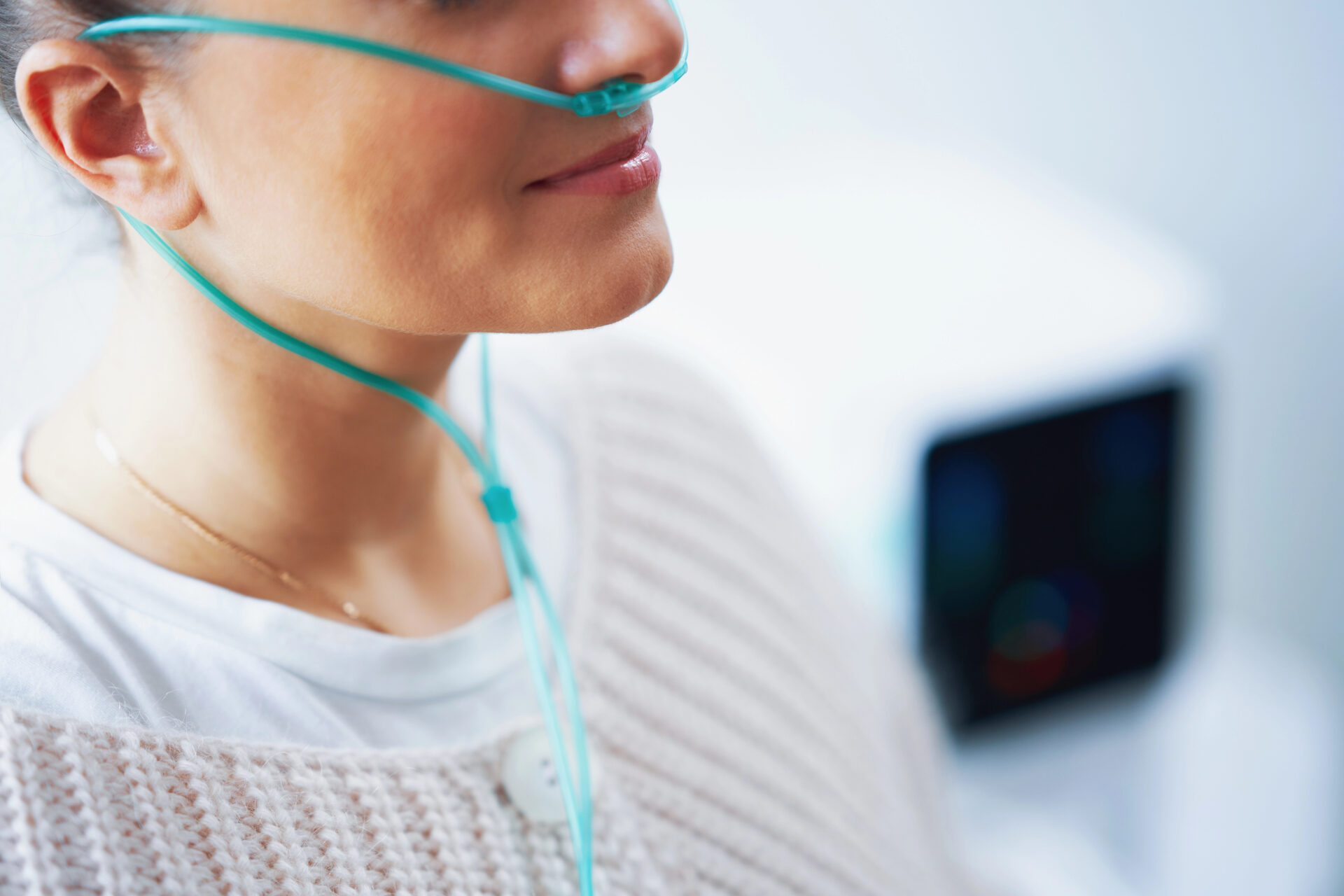
So now that you’ve decided to try molecular hydrogen therapy and want to purchase a hydrogen inhalation machine or generator, which models are best for your situation? Not all hydrogen inhalation machines are created equal. They vary greatly in price, dose flow rate, saturation, warranties, and online reviews. Here are some key features to look into.
Technology
Most hydrogen inhalation machines use PEM (Proton Exchange Membrane) or SPE (Solid Polymer Electrolyte) technology to deliver molecular hydrogen therapy at home or in clinical settings. These technologies are closely related and often communicated interchangeably by different brands as “SPE/PEM.” The best technology is SPE/PEM electrolysis with high-quality proton exchange membranes and platinum-titanium electrodes.
This is the gold standard for most pure hydrogen gas inhalation machines. In fact, we did not find any popular machines that use a different type of technology, and that’s a good thing because non-PEM/SPE membranes can produce harmful byproducts like ozone (O3), chlorine gas, or other contaminants alongside (or instead of) pure H2. Unfortunately, poorly designed SPE/PEM electrolysis machines are known to produce harmful byproducts as well. The main issues of a poorly designed hydrogen inhalation machine are the following:
- Harmful byproducts — Poor design can lead to the production of ozone (O3), chlorine gas, and other contaminants over time and usage.
- Overheating or electrical issues — Lack of safety features, such as poor cooling or cheap components, can lead to fires, shocks, or automatic shutdowns during use.
- Gas leaks or pressure problems — Substandard seals increase the risk of explosion (H₂ is flammable, though home units are diluted/safe when properly designed).
- Membrane degradation — Low-quality PEM/SPE membranes break down faster, leaking contaminants into the gas stream.
- Electrodes and membranes fail quickly (hundreds of hours vs. thousands in premium units), leading to frequent replacements or total failure.
Because this technology is growing in popularity within the online wellness and biohacking communities, it’s essentially the Wild West of marketing right now. In other words, there’s really no way to know, short of purchasing each one and testing it in a laboratory setting, which we did not do. Our guess is that with these machines, you get what you pay for.
Dose & Flow Rate
One of the most important aspects of understanding your hydrogen inhalation machine is the hydrogen (H2) dose you receive per minute. The dose and flow rate indicate how quickly the machine produces hydrogen and how much you receive. Most research on hydrogen inhalation machines has focused on devices operating at 300-600 ml/min, with few studies examining higher flow rates. This is why it’s very important to first check with your doctor before starting any hydrogen inhalation therapies to ensure you are getting what you need. Machines with lower hydrogen rates may not be as effective as those with higher rates, but other factors, like your genes, environmental exposures, and prior health issues, may also play a role.
- 150–300 ml/min — Common in many studies; sufficient for general wellness, mild inflammation, or daily maintenance.
-
300–600+ ml/min — Often used in higher-dose or clinical settings (e.g., respiratory issues, neurological support, etc.).
-
600 – 1,800 ml/min — Used in some premium machines for faster delivery or multi-user sessions; supported in practice but fewer long-term studies at the absolute highest end.
Because we do not yet fully understand the human mechanism of action, we also do not fully understand the optimal dosing, duration, and frequency. Outcomes can vary from person to person based on many factors, so again, please consult your doctor for the right amounts for you to use at home. You want something strong enough to be beneficial, so it’s not a waste of money, but also considering what we know and do not know about the science. And therefore, your recommendations may be different than other people.
Saturation
For hydrogen inhalation machines, saturation refers to how concentrated the hydrogen gas is in the air you breathe during treatments. The different concentrations of hydrogen in the inhaled gas, which is 2-4% H2 in air, are considered common and effective in studies.
Inhalation machines generally deliver high concentrations of hydrogen faster than hydrogen-enriched drinking water because of two things: (1) hydrogen can dissipate after it’s added to water, and (2) H2 reaches your blood and tissues faster because it’s absorbed directly through the lungs. A higher saturation rate (in water or gas) generally indicates stronger potential effects; however, it’s unknown at what point per-person diminishing returns set in.
Purity
When companies talk about purity in regard to hydrogen inhalation therapy, they are referring to how clean the hydrogen gas (H2) produced is. This purity percentage indicates how much molecular hydrogen is present relative to contaminants or byproducts when used as directed.
Most of the hydrogen inhalation companies we reached out to claim to have saturation results of 99.99% or higher when using distilled water. This means they claim that 99.99% of the gas exiting the device is pure H2, with very little oxygen, ozone, chlorine, or other unwanted impurities. Low-purity machines (especially the cheap ones with poor membranes) can produce contaminants. The reason this is important is that it irritates the lungs or causes oxidative stress, which is the opposite of what you want. It’s also important to remember to use distilled or double-distilled water, as directed. Otherwise, you may inadvertently create contaminants and break your machinery.
The best technology is SPE/PEM electrolysis with high-quality proton exchange membranes and platinum-titanium electrodes. This cleanly separates H2 and O2, ensuring it lasts longer.
There is no way to be certain of these amounts without 3rd party independent results, which most brands are not providing. So what we have done is mark, for you, in the recommendations section of this post, which brands are offering additional proof from 3rd-party testing.
Warranty
Most hydrogen inhalation machines we found had at least a one-year warranty. A few did not have a warranty. But some have up to a five-year and even a ten-year warranty. Obviously, the better the warranty, the better the machine when used as directed.
Type of Hydrogen Inhalation Units
We found many types of hydrogen inhalation machines & generators for hydrogen gas production. Molecular hydrogen gas machines are typically found in one of three types of units:
- Desktop Units: These are typically larger and offer higher flow rates. They are ideal for home use and typically involve hydrogen via nasal cannula.
- Portable Units: These compact devices are perfect for those who need to travel with their machine or prefer a smaller footprint. These units typically offer lower doses based on their size.
- Multi-Function Units: Some machines can produce both hydrogen gas for inhalation and hydrogen water for drinking, offering versatile health benefits. Some of these units even come with googles for eye care and headphones for inner ear care.
Mamavation’s Investigation into Hydrogen Inhalation Machines
Mamavation reached out to the most popular brands producing hydrogen inhalation machines and asked them specific questions about their products. We asked them to confirm their dose, purity, airflow, whether they had platinum-titanium electrodes, the quality of their proton exchange membranes, and whether they had independent third-party testing.
After getting all the responses back, we separated the machines into three groups: Not our favorite, better, & best.
- Not Our Favorite Hydrogen Inhalation Machines: These are weaker machines that would not be considered professional-grade. They may be fine for home use, but they have a weaker dose and flow rate of less than 600 ml/min. None of these brands had 3rd-party independent testing to substantiate their claims. Some of these brands did not respond to our inquiries at all.
- Better Hydrogen Inhalation Machines: Claim to have a dose & flow rate of at least 600 ml/min, but lack independent 3rd-party testing to back up their claims.
- Best Hydrogen Inhalation Machines: These machines would be considered the most reputable and professional. They have a dose & flow rate of 600 ml/min and 3rd-party testing to back up their claims. However, in this category, you get what you pay for because they are pricy.
Not Our Favorite Hydrogen Inhalation Machines
These machines & companies do not have strong capabilities for hydrogen inhalation. They also do not offer 3rd party independent testing.
- 3-in-1 Portable Hydrogen Inhalation & Water Generator, (Cost:$459, Flowrate: 240 ml/min, Purity: 99.996%)
- AquaGreen Hydrogen Inhaler, (Cost: $459, Flowrate: 225 ml/min, Purity: 99.99% )
- ASHLGQB Hydrogen Inhalation Machine (Cost: $720, Flowrate: 450 ml/min, Purity: 99.99% )
- Generic Dual-Port Inhaler model (Cost: $664, Flowrate: 450-1350 ml/min (dual splits when used), Purity: 99.99%)
- Hydrogen Water Bottle Generator with Inhaler (Cost: $109, Flowrate: 350 ml/min, Purity: 99.99%)
- Plafnio Hydrogen Inhalation Machine (Cost: $570, Flowrate: 270 ml/min, Purity: 99.99%)
- Pomya Hydrogen Inhalation Machine (Cost: $550, Flowrate: 225 ml/min, Purity: 99.99%)
- VEVOR Hydrogen Inhalation Machine (Cost: $329, Flowrate: 180 ml/min, Purity: 99.99% )
- VEVOR Hydrogen Inhalation Machine (Cost: $309, Flowrate: 225 ml/min, Purity: 99.99%)
Better Hydrogen Inhalation Machines
These machines & companies claim to have strong capabilities of 600 ml/min or above but do not offer independent laboratory reports to substantiate their claims.
- Axiom H2 HW600 (Cost: $6,500, Flowrate: 600 ml/min, Purity: 99.99% )
- FXNFXLA Hydrogen Inhalation Machine (Cost: $1,500, Flowrate: 1,500 ml/min, Purity: 99.99%)
- HLTH Hydrogen/Oxygen Inhalation Machine (Cost: $7,000, Flowrate: 600 ml/min, Purity: 99.99%)
- Promolife H2 Inhalation and Drinking System (Cost: $2,395, Flowrate: 850 ml/min, Purity: 66% mixed Brown’s gas)
- Vital Reaction Clinical Hydrogen Inhaler (Cost: $6,000-$9,000, Flowrate: 600-3,000 ml/min, Purity: 99.9%)
Best Hydrogen Inhalation Machines
These machines are professional-grade, and companies offered proof of their claims by sharing independent laboratory reports.
- DaVinci Medical H2-600 (Cost: $2,445, Flowrate: 900 ml/min, Purity: 99.99%)
- ECHO Refresh Hydrogen Inhalation Machine (Use discount code “MAMAVATION” for 10% off products)(Cost:$7,499, Flowrate: 1,800 ml/min (dual), Purity: 99.99%)
- H2HUBB HX900 (Cost: $2,374, Flowrate: 900 ml/min, Purity: 99.99% )
- H2ForWellness Hydro-Qube (Cost: $7,900, Flowrate: 1,900 ml/min, Purity: 99.99% )
- Jintvo Hydrogen Inhalation Machine (Cost: $900-$1,300, Flowrate: 900-1,800 ml/min, Purity: 99.99%)
- Qlife H2 Respire (Cost: $3,105, Flowrate: 999 ml/min, Purity: 99% )
 Rice Tested for Lead & Arsenic — Guide Compilation