
Which baby wipes are the safest for babies? Mamavation combined testing from Consumer Reports with testing we did ourselves to bring you the most comprehensive investigation on baby wipes. You’ve trusted Mamavation to bring you investigations like (1) safest disposable diapers tested for indications of PFAS “forever chemicals,” (2) safest children’s multivitamins tested for pesticides, heavy metals, phthalates, and PFAS “forever chemicals,” and (3) prenatal vitamins tested for pesticides, heavy metals, phthalates & PFAS “forever chemicals.” Now join us for our latest consumer study on baby wipes.
Disclosure: This consumer study is released in partnership with Environmental Health News. Donations were provided by Environmental Health News and Mamavation community members. Note that Mamavation has only “spot-checked” the industry and thus we cannot make predictions about brands and products that we have not tested. Products and manufacturing aids can change without notice, so buyer beware. This post contains affiliate links, with most to Amazon, which means Mamavation will receive a portion of those sales, and we will use that to pay ourselves back for the testing. You can also give a tax-deductible donation to our consumer studies here through Environmental Health Sciences. Thank you! Copyright © 2026 Mamavation — All Rights Reserved
Table of Contents
Consumer Reports Tests Baby Wipes for PFAS “Forever Chemicals,” and Mamavation Follows Up with Additional Testing
PFAS “forever chemicals” are per- and polyfluoroalkyl substances used as stain-resistant, water-resistant, & oil-resistant chemicals in commerce. They have been used for decades inside consumer products, manufacturing, and building materials. There are over 21,000 different chemicals in the PFAS chemical class (including PFOA & PTFE), and because there are so many of them, they are incredibly hard to identify and test for. In fact, it’s only really possible to identify about 100 or so in a really good commercial laboratory.
After Huggies and Kirkland baby wipes were sued in court for having PFAS “forever chemicals,” Consumer Reports later released a consumer study testing those same brands and others for PFAS. Luckily, they found no detectable PFAS after looking for 30 specific PFAS “forever chemicals.” Can additional PFAS “forever chemicals” be tested for? Yes. Our testing typically covers 40. But we also wanted to do testing that could identify indications of the other 21,000+ chemicals in commerce. This can be accomplished with organic fluorine testing.
Mamavation followed up on this study by testing baby wipes for organic fluorine, which is an indicator test for PFAS. Mamavation’s lab used marker testing to identify the potential presence of PFAS “forever chemicals” in baby wipe products. Organic fluorine is a marker for PFAS because all PFAS chemicals are carbon-based compounds that contain fluorine. The specific lab method used by Mamavation tested for total fluorine was the Determination of Total Fluorine by Oxygen Flask Combustion and Ion-Selective Electrode. If total fluorine was observed at a detection level of 10ppm, the lab did the Determination of free Fluoride Ion in the toilet paper by Ion-Selective Electrode and then subtracted that from the Total Fluorine to determine the amount of organic fluorine. This marker testing is likely to show the presence of PFAS, but other possibilities are things like fluorinated pesticide residue and fluorinated pharmaceuticals.
The good news: None of our testing or Consumer Reports testing found any PFAS or indications of PFAS in any baby wipe we tested. So now that we looked into that, we have spent the rest of this investigation looking into additional chemicals that could be problematic and are part of the baby wipes we tested.
Potential Health Impacts of Exposure to PFAS “Forever Chemicals”
PFAS “forever chemicals” are problematic to human health and the environment. They are considered ubiquitous, persistent, and toxic. Many can last for years in our bodies. Therefore, it’s imperative to reduce the amount of PFAS you are exposed to from food and water and personal care products such as toilet paper. No one knows the direct impact of using toilet paper with indications of PFAS, but that doesn’t mean there is no danger.
However, we do know what the health impacts are when exposure to PFAS through water and food and they are listed below:
- Reduction in immunity
- Reduced vaccination response
- Increased risk of allergies & asthma in young children
- Affected growth, learning, and behavior of infants and older children
- Increase cholesterol levels
- Metabolic diseases like obesity & diabetes
- Cardiovascular disease
- Lowered a woman’s chance of getting pregnant
- Lowered male fertility
- Increased risk of kidney & testicular cancers
- Causes endocrine disruption
- Disrupted normal thyroid function
- Increases risk of acute lymphoblastic leukemia in children
- Cancer
The Anatomy of a Baby Wipe
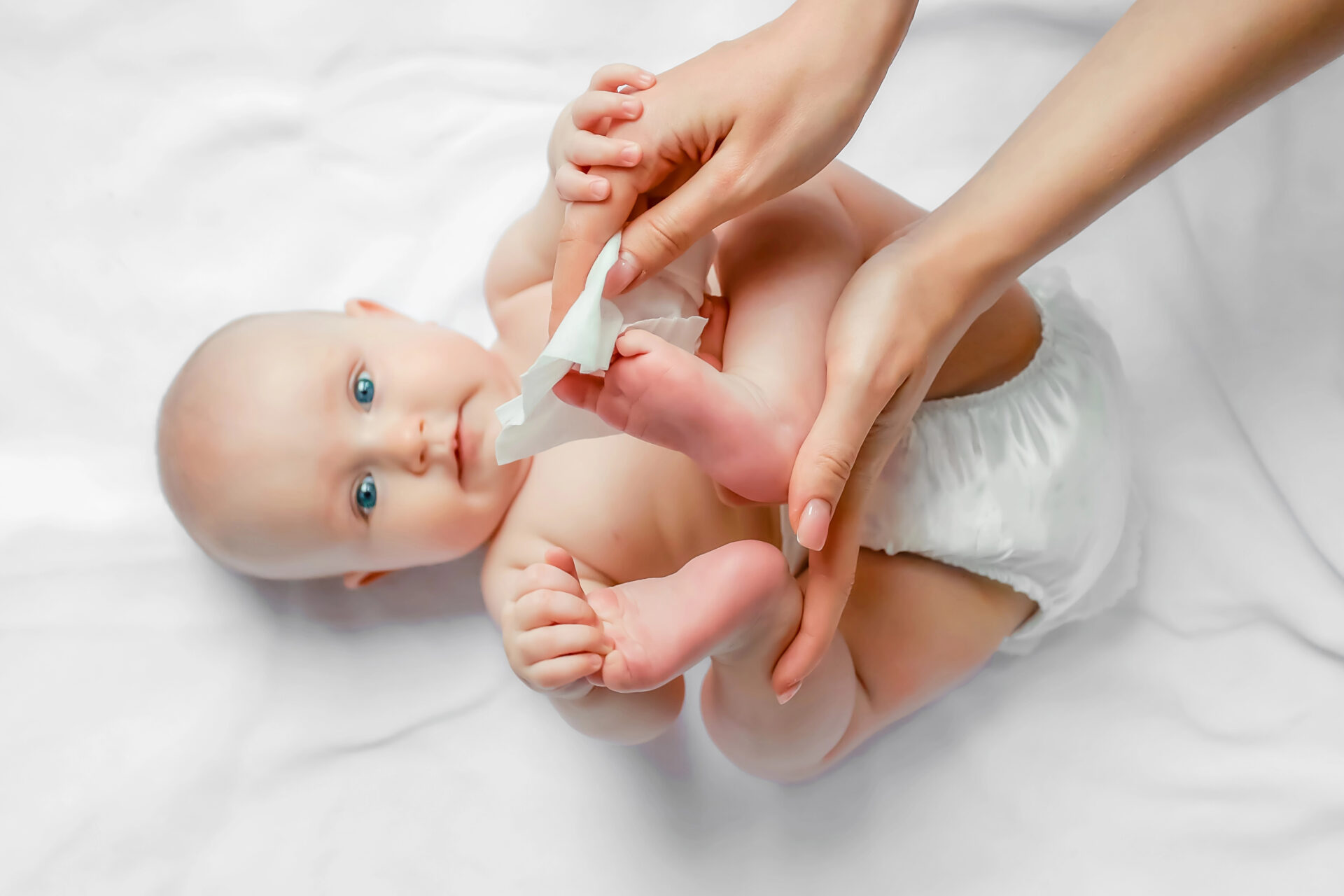
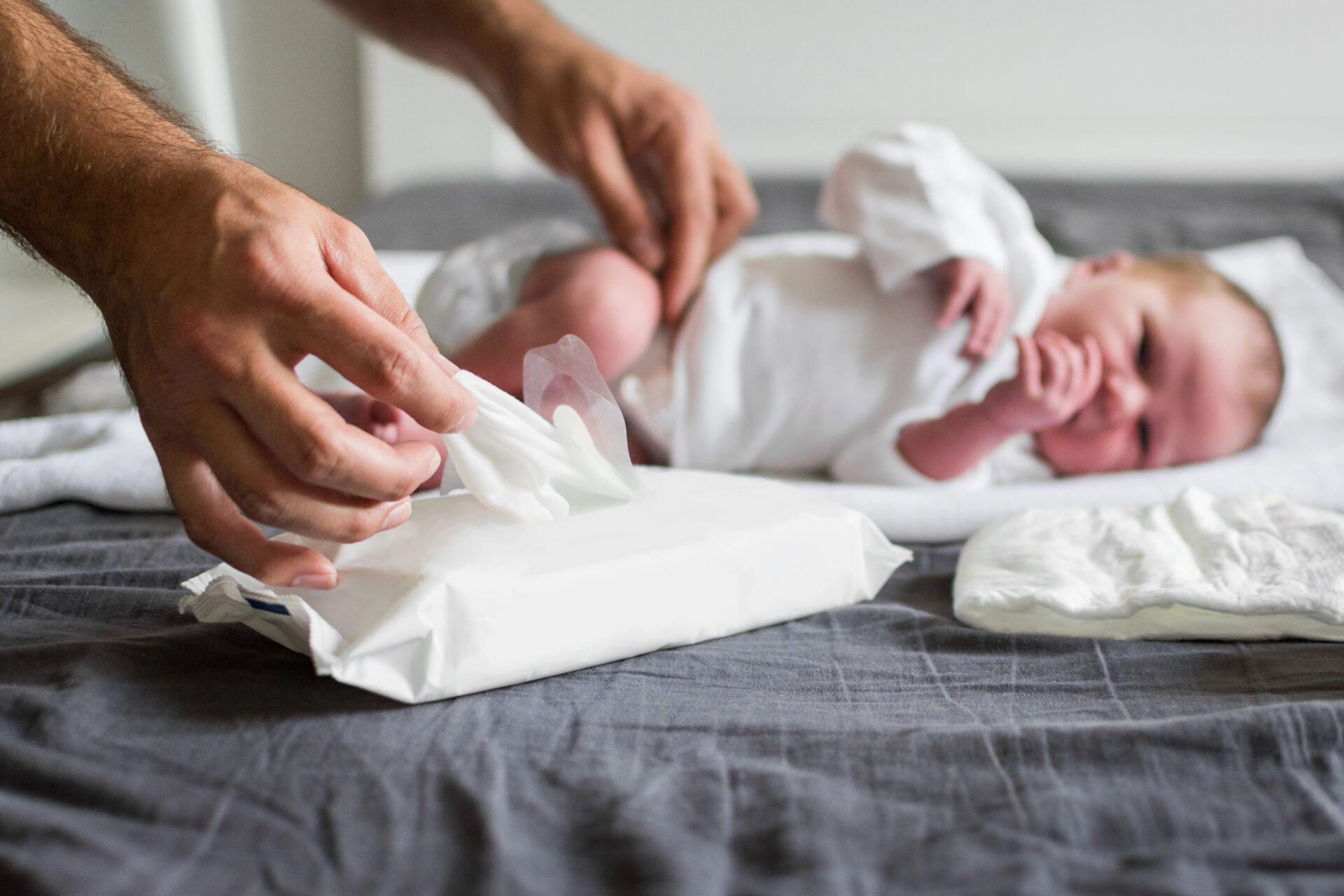
A baby wipe is a leave-on wet cloth. It is not rinsed off. Whatever is in the lotion sits on the diaper area, the face, and often the caregiver’s hands. That is why this category has a real dermatology file, a real recall file, and a marketing file that still says “gentle” while the INCI list used to say methylisothiazolinone.
Two parts:
- The cloth — polyester/polypropylene, viscose/wood pulp, bamboo viscose, lyocell, cotton. Plastic fiber lasts in a landfill. Plant fiber can still be wrapped in a plastic tub.
- The lotion — almost all water, plus a surfactant to lift poop and spit-up, plus a preservative so the wet pack does not grow mold, plus whatever the brand added for “calming” theater.
Because the sheet is wet, it needs a preservative, or it grows bacteria and mold. In fact, several wet wipes have been recalled in the last decade because of bacteria. That is why most makeup baby wipes contain some type of preservative. However, Mamavation prefers to avoid harsh preservatives, and we’ll cover which types to avoid next. If a pack smells off, is discolored, or the sheets look spotted, don’t use it—even if it was never recalled.
Additional Ingredients in Baby Wipes You’ll Want to Avoid
After reviewing the ingredients of 21 makeup remover wipe products tested, and additional ones that were not tested, here are the most problematic ingredients we came across that you should try to avoid:
- Undisclosed Fragrance: Fragrance can be listed as “fragrance” or “parfum” on labels as a proprietary mixture to hide dozens to hundreds of undisclosed chemicals (over 3,500 fragrance chemicals are in use industry-wide), limiting transparency to the consumer. In many cases, fragrances also hide phthalates. Phthalates (especially diethyl phthalate or DEP) act as solvents and fixatives to make scents last longer and help blend ingredients. They frequently appear under the umbrella term “fragrance” and are detectable in the urine of the majority of people tested. They are recognized endocrine disruptors that can interfere with hormone production, signaling, or metabolism—particularly androgen (testosterone) pathways. Impacts on males from studies include: Reduced testosterone, altered semen quality/parameters, and impacts on male reproductive development. Effects on female fertility, pregnancy outcomes (e.g., links to preterm birth or hormone changes), early puberty, and possible influences on obesity, diabetes, or neurodevelopment. Some phthalates (e.g., DBP, DEHP) face restrictions or bans in cosmetics in the EU and elsewhere; DEP remains more widely used and is often described by regulators as lower-concern relative to others, though critics argue the broader class warrants caution due to cumulative exposure.
- Chlorine: Used as a bleaching agent for the cloth. These chemicals can cause skin irritation and emit dioxins, which are known carcinogens. We’ve broken this down a bit more below. Bleaching for US diaper and baby wipe brands is now either elemental chlorine free (ECF) or totally chlorine free (TCF). Methods overseas may be far more toxic. TCF is less toxic than ECF.
- Alcohol: This chemical can be drying and irritating to sensitive baby’s skin.
- Harsh preservatives: Some preservatives are too harsh like Iodopropynyl Butylcarbamate, Methylisothiazolinone (MIT), Methylchloroisothiazolinone (MCI), Sodium Salicylate, & Parabens. Mamavation prefers formulas preserved with phenoxyethanol + caprylyl glycol, or sodium benzoate/potassium sorbate systems to protect the wipes from bacteria and mold.
- Quaternary ammonium compounds, aka “Quats”: Quats are known to be problematic for dermal, respiratory, metabolic, and mitochondrial effects. These ingredients have a permanently positively charged nitrogen, either acting as a preservative/antimicrobial, conditioning/softening, and (rarely now) a formaldehyde-releasing preservative. Some of these chemicals to look for are Quaternium-15, Benzalkonium Chloride, Didecyldimonium Chloride, Myrtrimonium Bromide, Benzethonium Chloride, Cetrimonium Chloride / Bromide, & Stearalkonium Chloride. Grapefruit seed extract likely contains trace amounts of quats.
- Conditioning polyquats: These quats are not as problematic as the quats above; however, these polyquats are more likely to cause allergic contact dermatitis. Look for chemicals: Polyquaternium-7, Polyquaternium-10, & Guar Hydroxypropyltrimonium Chloride.
- Polyethylene Glycol (PEGs): This was a problem with flushable wipes and some baby wipes. Many of them contained a variety of PEG compounds. Ethoxylated ingredients (like PEGs) on their own are of lower concern to humans, however, the process of ethoxylation can leave behind trace amounts of carcinogens: ethylene oxide and 1,4-dioxane.
Chlorine & Derivatives
Most disposable diapers in the past were made from a type of wood pulp that was dyed with chlorine bleach to make them whiter. Back then, chlorine produced carcinogenic dioxins that babies were exposed to. Today, this has mostly changed, but some differences in the bleaching process remain. Most diapers are made from specialized polymer materials including cellulose, polypropylene, polyester, and polyethylene. They are still mostly dyed, but different methods are used to accomplish this in the United States. The same is true for baby wipes and their processing techniques. Here are the differences between the types of processing you’ll find:
- ECF (elemental chlorine-free) pulp: This type of bleaching is not completely free of chlorine because it typically uses a different type of chlorine compound — chlorine dioxide. This chemical is still problematic on its own, but an improvement on a bleaching process that uses elemental chlorine. Brands that use ECF bleaching claim that elemental chlorine is not detectable in the final product via testing, but this bleaching process can still create disinfection byproducts. Therefore, because of the precautionary principle, we do NOT recommend this type of bleaching if a better alternative exists.
- TCF (total chlorine-free) pulp: This bleaching process is what we recommend you look for when selecting a diaper. No chlorine or chlorine compounds are used to dye products. Instead, they use oxygen, peroxide, and ozone-bleaching systems, which do not create disinfection byproducts. Watch out for diapers that claim to be “chlorine-free” without telling you what type of bleaching process they are using. Chances are, they are using the ECF method and want you to believe it’s TCF instead. True TCF bleaching represents only about 5% of the pulp manufactured for diapers, so be on the lookout.
Mamavation’s Investigation of Baby Wipes
Consumer Reports tested baby wipes from 18 different companies and Mamavation did additional PFAS indicator testing of organic fluorine for 9 brands. Afterward, we reviewed the ingredients and materials for each baby wipe and compared them to known chemical issues in baby wipes to create categories that will help you make the safest purchases for your family. If baby wipes were tested by Consumer Reports for PFAS, they will be marked “no PFAS.” If they were tested by Mamavation for organic fluorine, they will be marked “also non-detect for organic fluorine.”
Not Our Favorite Baby Wipes
These products have some issues. Either the cloth is made from a type of plastic and isn’t 100% plant-based, OR the lotion portion of the baby wipe contains some problematic ingredients.
- Amazon Elements Baby Wipes (no PFAS, no material disclosure)
- Mama Bear Gentle Fragrance-Free Baby Wipes (also non-detect for organic fluorine)
- Dyper Baby Wipes (no PFAS, likely biodegradable)(Contains grapefruit seed extract that may contain trace quats.)(Or purchase on Grove here)
- Huggies Natural Care Sensitive Baby Wipes (no PFAS, no material disclosure) (Also non-detect for organic fluorine)
- Pampers Sensitive Baby Wipes (no PFAS, no material disclosure)
- Parents Choice (Walmart) Gentle Clean Baby Wipes (no PFAS, no material disclosure)
- Pampers Aqua Pure Wipes (no PFAS, biodegradable)
- Seventh Generation Sensitive Protection Baby Wipes (no PFAS, not biodegradable)
- Water Wipes (no PFAS, biodegradable) (also non-detect for organic fluorine)(The grapefruit seed extract line is footnoted: contains a trace of benzalkonium chloride (BZK).)
Better Baby Wipes
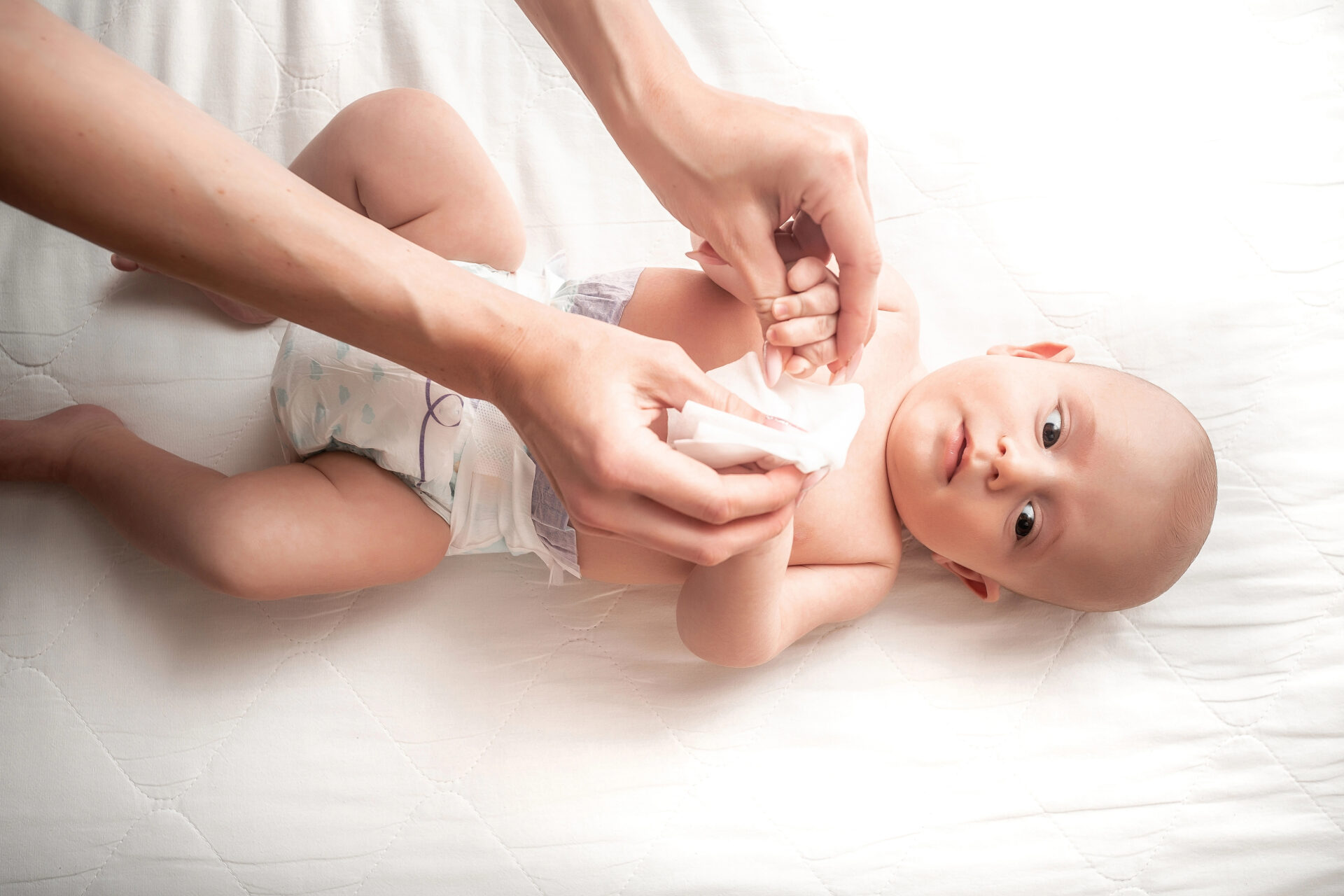
These brands are almost perfect, but they are likely using ECF bleaching. This is more of a problem with disposable diapers than baby wipes because of the duration of skin exposure. Therefore, this category is also okay, but not “perfect.”
- Bambo Baby Wipes (no PFAS, likely biodegradable)
- Caboo Baby Wipes (no PFAS, biodegradable)(claims ECF)(Use discount code “EHN25” for 25% off product!)(Or purchase on Grove or Amazon with no discount)
- Coterie Baby Wipes (no PFAS, biodegradable)(Use discount code “MAMAVATION24″for 20% off diapers!) (Or purchase on Amazon here with no discount)
- Hello Bello Baby Wipes (no PFAS, likely biodegradable) (also non-detect for organic fluorine)
- Joonya Baby Wipes Fragrance-Free (also non-detect for organic fluorine)(or purchase on Amazon here)
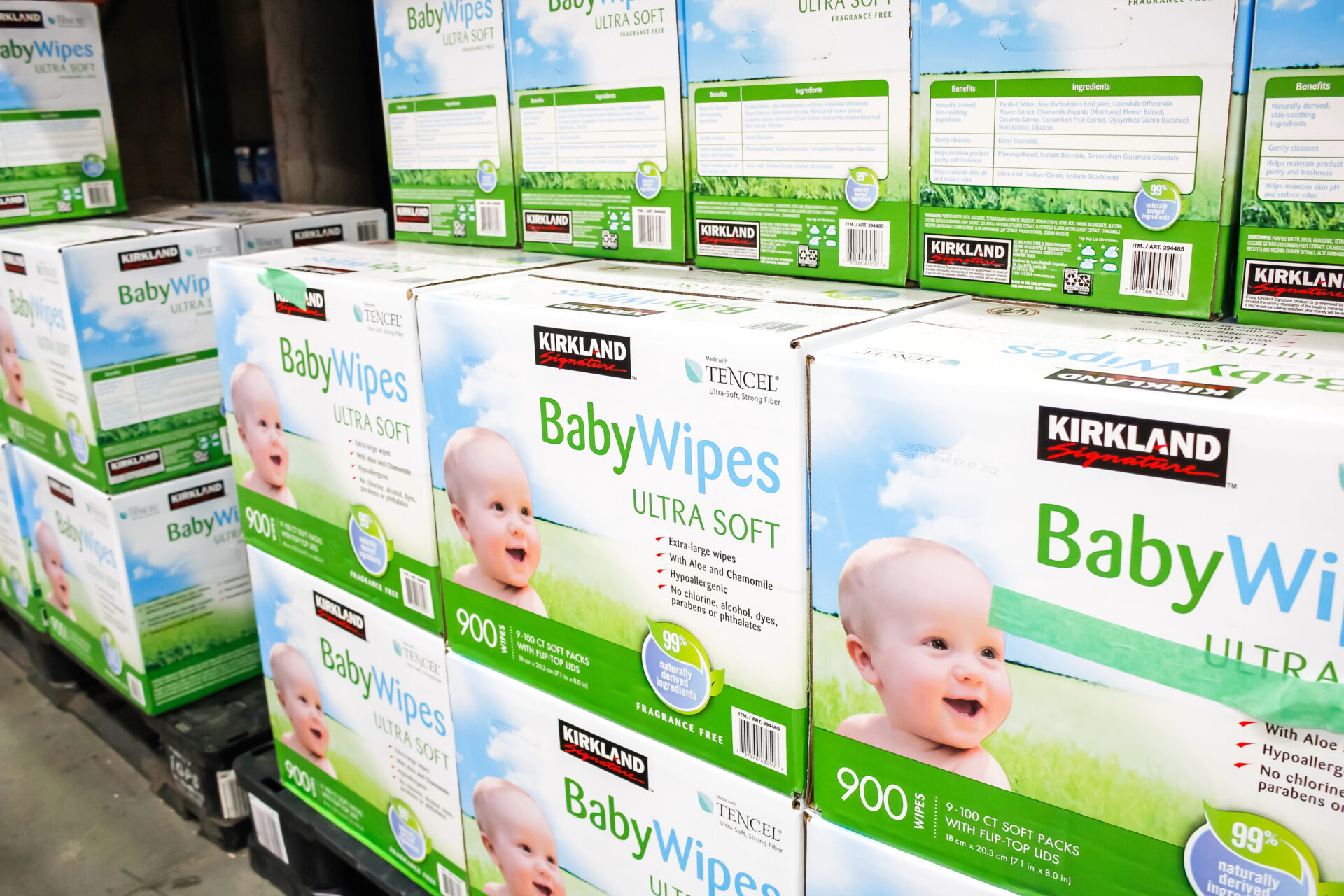
- Kirkland Signature Baby Wipes, Fragrance-Free (no PFAS, biodegradable)
- Pipette Baby Wipes (no PFAS, likely biodegradable)
- The Honest Company Baby Wipes (no PFAS, biodegradable)
- Terra Pure Water Baby Wipes (also non-detect for organic fluorine)
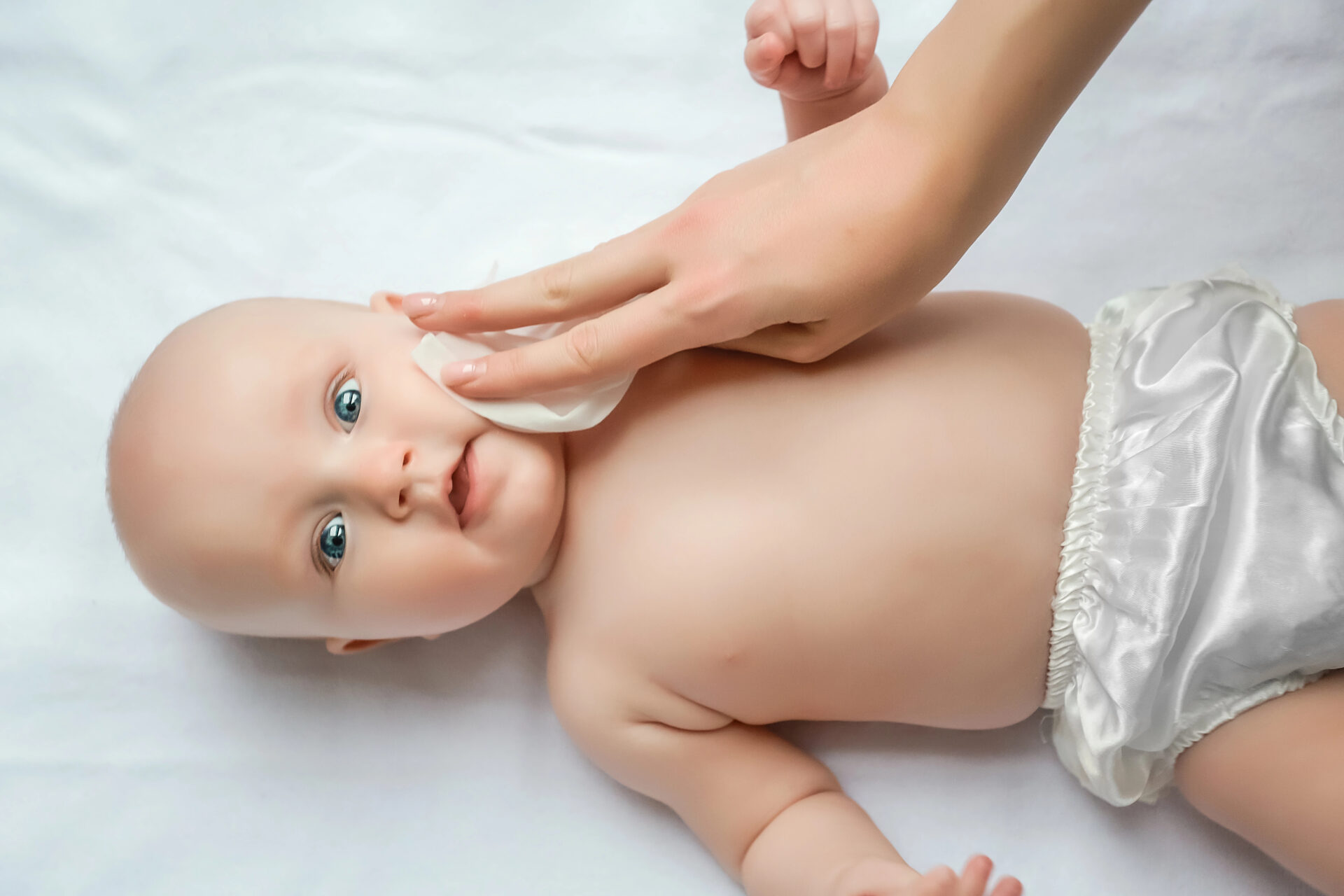
Best Baby Wipes
These baby wipes were tested for PFAS “forever chemicals” and were non-detect. Some of these products were also tested for organic fluorine, an indicator of PFAS “forever chemicals,” but it looks for thousands of different PFAS chemicals instead of just 40 or so. These brands also claim to use TCF bleaching.
- Natracare Organic Baby Wipes (no PFAS, biodegradable)(also non-detect for organic fluorine)(TCF)
- Healthy Baby Wipes (no PFAS, biodegradable) (also non-detect for organic fluorine)(Use discount code “MAMAVATION” for 15% off sitewide, no minimum purchase, eligible for use on subscriptions, 1 use per customer.)(Or purchase on Amazon here)(TCF)
- Parasol Pure Water Baby Wipes (no PFAS, biodegradable)(also non-detect for organic fluorine)(TCF)
 Infrared Sauna: A Safe Way to Detox & Lose Weight