
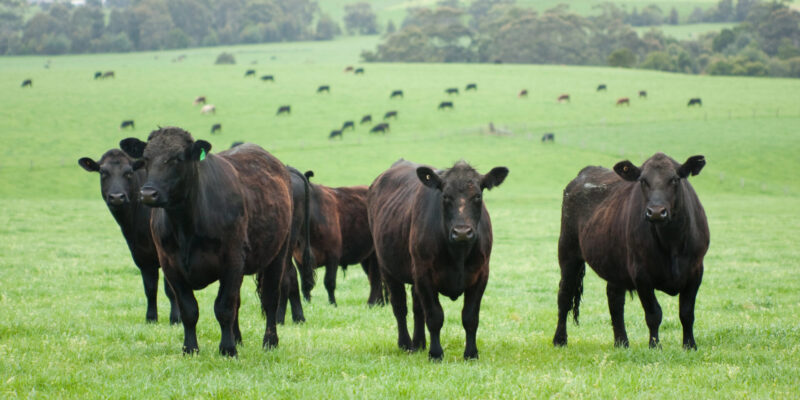
What are the best alternatives to “Big Meat?” Finding a grass-fed meat box delivery company that ships beef, chicken, & pork across the United States from small family farms. But what about their practices? What do they feed their animals? Do they raise their animals on pasture? Are antibiotics or hormones used? Mamavation reached out to the most popular meat box delivery companies and asked them very specific questions about their practices. After reviewing their responses and online materials, we’ve put together a list we believe you can use to shop. You’ve trusted Mamavation to bring you investigations like (1) safest cooking oil tested for phthalates, (2) safest rice tested for heavy metals, & (3) safest Vitamin D tested for pesticides, heavy metals, phthalates & PFAS; now join us for our favorite meat box delivery companies.
Disclosure: This post contains affiliate links.
Table of Contents
Most Grass-Fed Meat Box Delivery Companies are Offering Beef, Chicken, & Pork
Meat Box Delivery Companies have become very popular as a way to buck “Big Meat” and go direct to farmers. Most companies offer beef, chicken, & pork for you to purchase and will ship to anywhere in the continental United States. It took us a few years to investigate this industry, but we’ve created the most useful list online to help you try new meat box delivery companies OR go direct to farmers and cut out the middlemen completely.
Mamavation has partnered with the American Grassfed Association for many years. Their Executive Director, Carrie Balkom, is a tough, no-nonsense staple in the ranching community. She grew up on a cattle ranch in Florida connected to multi-generational ranching. Today, she runs a non-profit that certifies farms “100% grass-fed” and promotes pasture-based livestock production. It’s always a pleasure to spend time with Carrie, so we visited her at the American Pastured Poultry Producers Association annual conference in Florida this year. We also interviewed several farmers about their farm practices while we were there. APPPA represents independent pastured poultry farmers who primarily sell direct to consumers across the United States. They currently count more than 1,000 active member farms and have been the association of record for the growing pasture poultry movement.
Although this was a chicken-focused event, many of these farmers also process beef & pork, so we were able to focus on everything while there. It was important to hear directly from farmers about how they were handling the animals and what best practices were for small American producers running family farms that sold directly to the consumer.
Animal Diet — What the Animals Eat
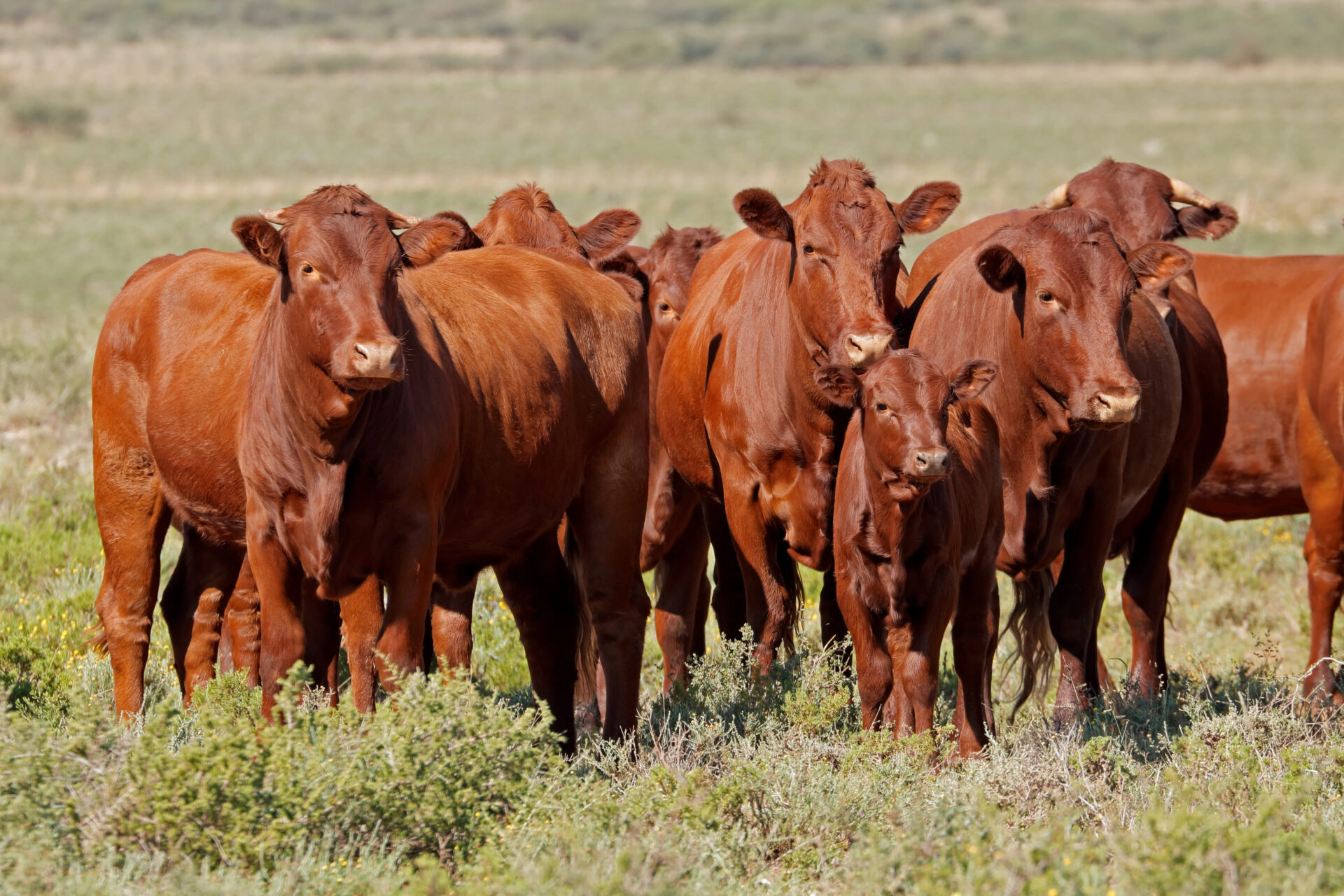
The first thing most people want to know about the meat they purchase is what those animals ate while on the farm. Several different things could be happening here: good & bad. Different animals eat different things, so it’s not always the same. For instance, what cattle can survive on may not be appropriate for chickens or pigs. Overall, you’ll want to consider animal feed, whether they were grass-fed, pasture-raised, or in confinement. Are they grass-fed, grass-finished, or mostly grain-fed? To make this simple, we’ve focused our efforts below on beef, chicken, & pork.
Beef Cattle–Grass-Fed, Grass-Finished, Grain-Fed, etc.
Grass-fed beef has roughly 62% less total fat and 65% less saturated fat compared to grain-fed beef. It also contains higher concentrations of omega-3 fatty acids, the same family of fats found in salmon and flaxseed that support heart and brain health. Grain-fed beef, by comparison, is higher in omega-6 fatty acids, which most people already get plenty of from processed foods and cooking oils. Therefore, Grass-fed beef is superior and part of a healthy diet. But to get the benefits, you need to make sure you’re getting the real deal. Labels can be confusing, so we broke this down to make it easier to understand what you are getting.
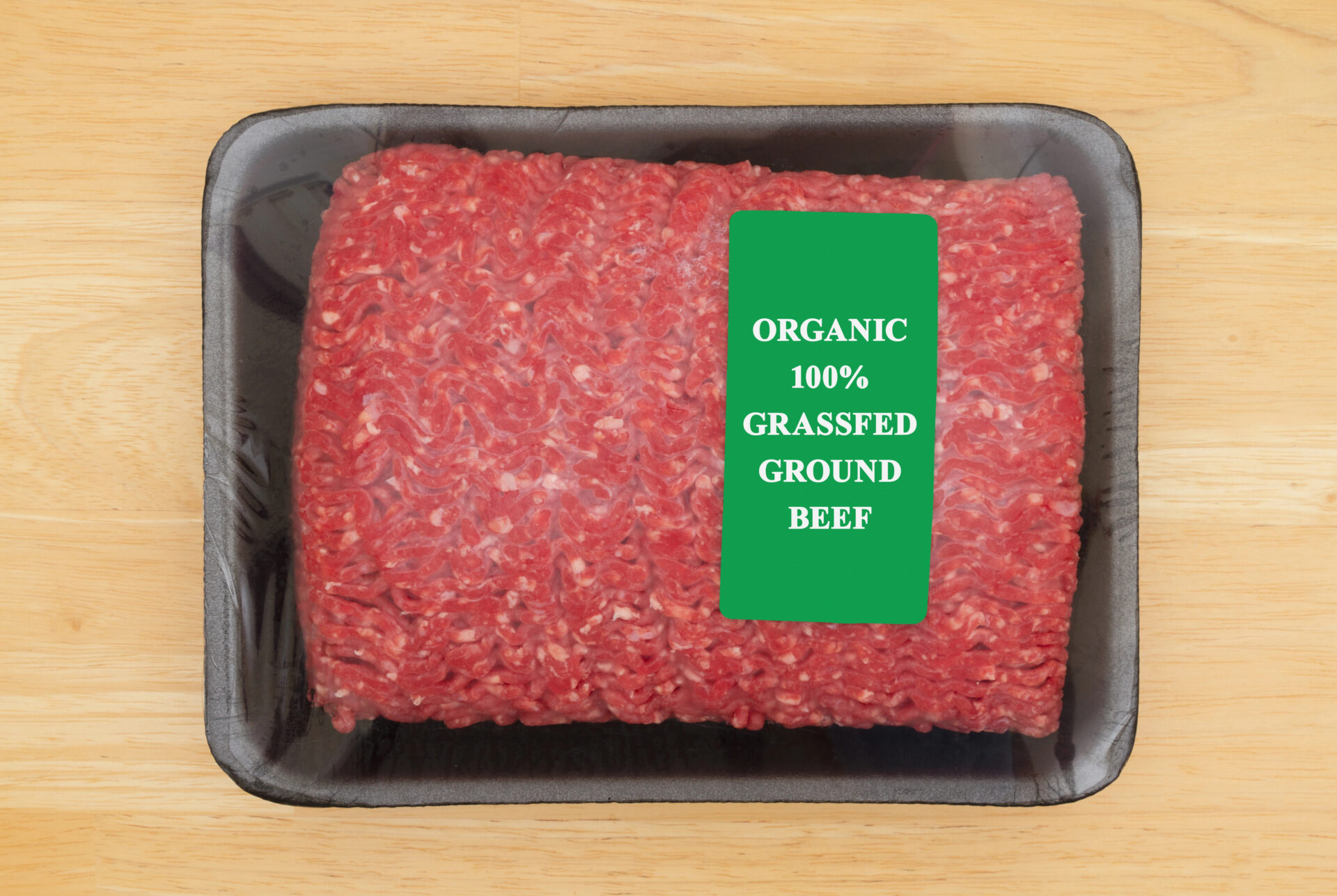
- Grass-Fed: This means the cattle ate grass and forage for at least part of their lives (typically after weaning from milk). However, this label does not guarantee an exclusive grass diet, especially when you see it in the grocery store. Feedlots can be used constantly. Many “grass-fed” cattle are later switched to grain (corn, soy, etc.) for the last 90–180 days in a feedlot to fatten them faster. This is often called grass-fed, grain-finished. It gets confusing because “grass-fed” is no longer a legal term; it can basically mean anything. The USDA used to define it, but they dropped this legal standard in 2016. Since then, farmers have been able to create their own definitions for this term. Does it mean 100% grassfed, 80% grassfed, 50% grassfed, or 30% grassfed? Technically, any of it is “grass-fed.” So what are you really buying in the grocery store? No one really knows. To get answers, we had to email every producer to get more specifics. Unless specifically sold otherwise, USDA Organic beef is typically considered “grass-fed” because producers can grain-finish with organic grain feed.
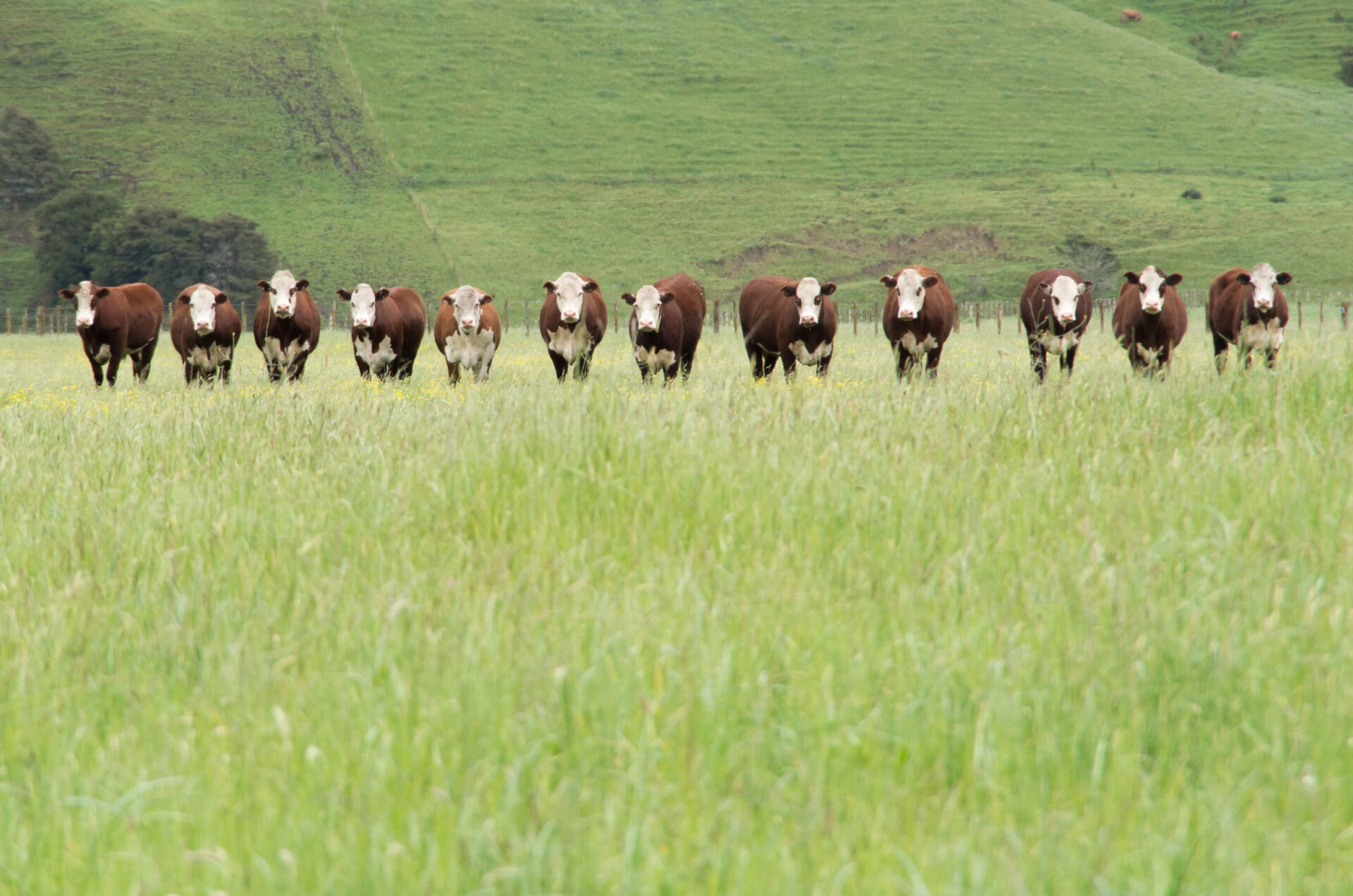
- Grass-finished (aka 100% Grassfed): This means the cattle ate only grass, hay, forage, and similar plant material for their entire lives after weaning. In other words, they were not given grain at any point in their lives. These animals typically stay on pasture (or receive stored forage like hay) until slaughter. Growth is slower in this type of cattle feeding, which makes the meat cost more. It often takes 24–32 months vs. 14–18 months for grain-finished cattle. This is the gold standard for raising cattle and getting the benefit of true “grass-fed” beef. Unfortunately, this term does not have a legal definition either, so technically, you’ll have to trust the farmer who says it. Only certifications like American Grassfed Association (AGA) mandate 100% grass-fed cattle. Many USDA Organic beef cattle operations are also 100% Grass-fed, but they don’t necessarily have to be, so it’s a good idea to ask your USDA organic producer.
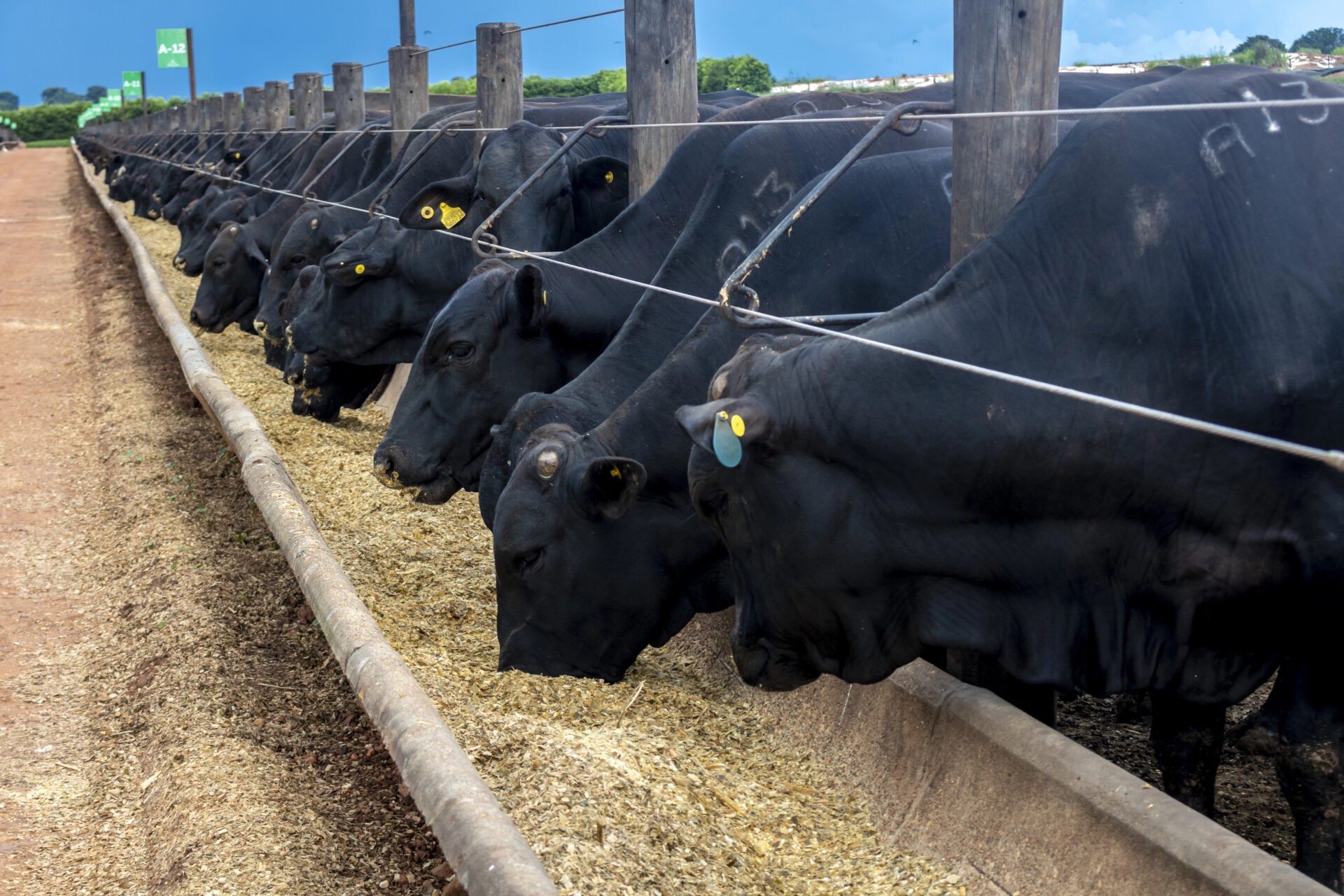
- Conventional Grain-Finished (Standard US Production): These animals are typically grass-fed at the beginning of their lives, then switched to feedlots and given a grain-fed diet consisting of corn, soy, wheat, and other additives in animal feed. In the finishing stage, they typically eat a high-energy ration of 80-85% grain (mostly corn, plus barley, wheat, or distillers’ grains from ethanol), 10-15% forage, hay & silage, plus protein meals, vitamins, and minerals. Local byproducts can also be used, like potato waste, sugar beets, and even candy, depending on the region and what is available locally. But because cattle eat “grass” for part of their lives, they are sometimes called “grass-fed” in grocery stores or at restaurants.
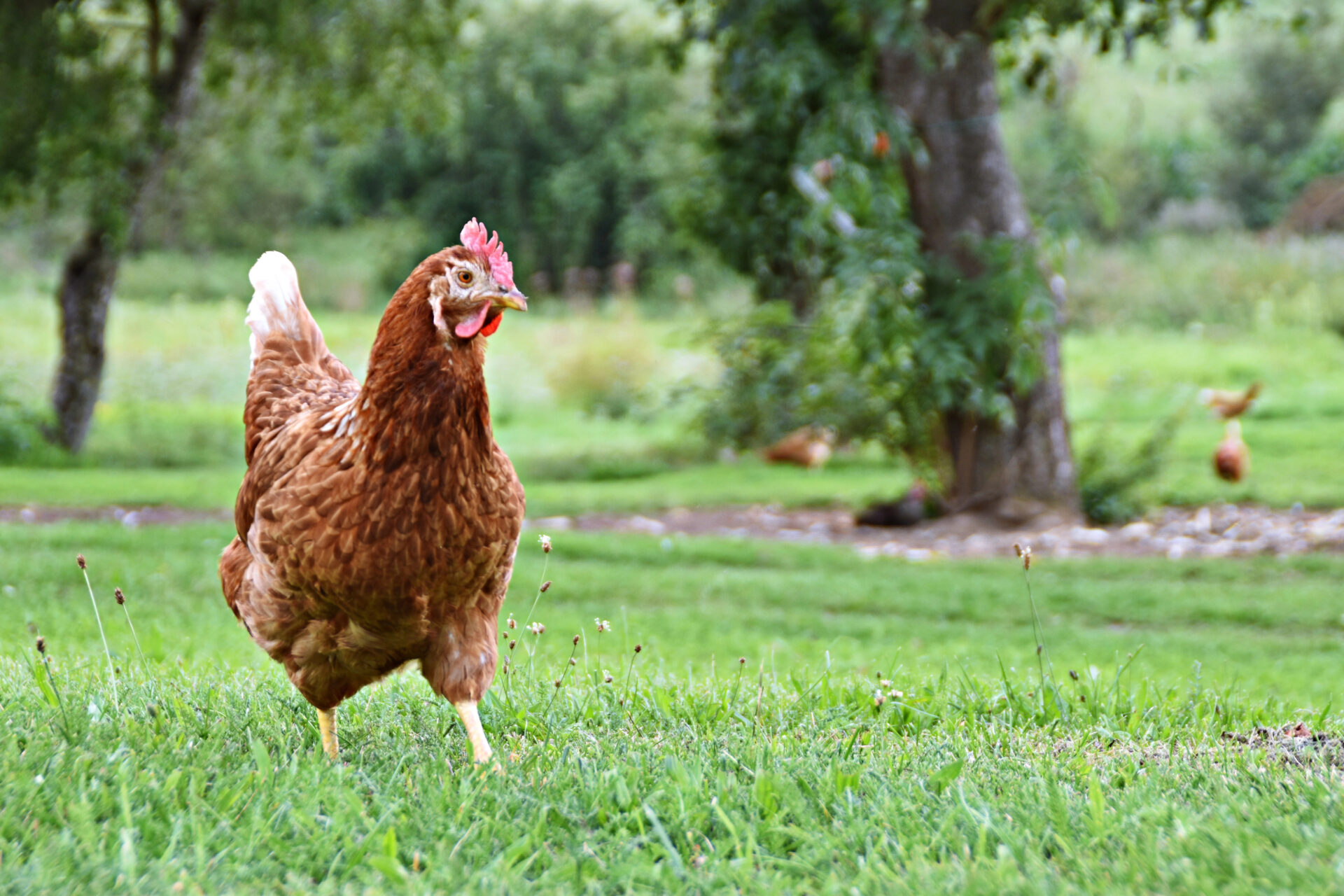
Broiler Chicken Feeding System–Conventional vs. Organic vs. Pasture-Raised
Broiler chickens, also known as “meat birds,” are raised to grow rapidly from day-old chicks to adulthood in 5-8 weeks, ready for slaughter. They are fed differently than “layers,” which are egg-laying hens because their nutritional needs differ. Conventional farmers focus on rapid weight gain, while small-scale operations focus more on organic or pasture-raised systems and animal welfare issues. However, it’s also important to know that “pasture-raised” is a similar term to “grass-fed,” whereas it’s possible to have a “pasture-raised” chicken that is not raised as perfectly as you would find with AGA-certified birds.
- Conventional Feeding: Broiler chickens are kept indoors in large coops and fed exclusively formulated commercial feed as much as they desire. Their feed consists of about 50-67% corn, 44-48% soybean meal, soybean oil, vegetable oil, poultry fat, calcium carbonate or oyster shell, Dicalcium phosphate or monocalcium phosphate, and salt. They also add a synthetic amino acid supplement and additional vitamins and minerals. Other common additives can include choline chloride, enzymes, pellet binders, animal byproducts like poultry meal, meat and bone meal, or fish meal. Historically, antibiotic growth promoters have also been used in animal feed. These environmental conditions they find themselves in make it more likely for them to get sick, so medical intervention is constantly needed and routinely given.
- USDA Organic Feed: Organic broiler chickens are fed USDA Organic chicken feed, which is grown without synthetic pesticides, herbicides, fertilizers, or sewage sludge. The feed is also free from genetically modified organisms (GMOs), antibiotics, hormones, growth promoters, or synthetic drugs. No animal by-products are allowed, except for limited allowances of fish meals. Their feed typically consists of 50-70% organic corn, wheat, barley, oats, or a combination thereof, then organic soybean meal for protein. Additional proteins can include peas, sunflower meal, canola meal, potato protein, flaxseed, alfalfa meal, or fish meal. Organic oils such as soy, sunflower, or flax provide essential fatty acids. Then they get limestone and salt for minerals. Additional natural supplements may include kelp, yeast cultures, probiotics, enzymes, and vitamin/mineral premixes.
- Pasture-Raised: Pasture-raised chickens are raised with continuous outdoor access in environments that allow them to express their natural foraging behaviors. Because “pasture-raised” is not a legally defined or regulated term under USDA standards, the label is frequently misused. Some companies apply it loosely to birds that receive only limited outdoor access, live in fixed housing, or spend the majority of their lives indoors. This lack of enforceable standards means the term can be more marketing language than meaningful production practice. As a result, the strongest assurance comes from verifying practices directly with the producer: ask how much of the birds’ lives are actually spent on pasture, whether they use mobile coops that are regularly moved, what the birds forage on, and what supplemental feed is provided. Transparent farms will readily share these details. In current industry usage among producers who take the term seriously, birds labeled pasture-raised typically spend at least 51 percent of their lives on pasture in mobile coops with continuous outdoor access. While on pasture they actively forage grasses, clover, forbs, weeds, insects, worms, seeds, and grit. That foraging remains supplemental—these birds still require a formulated feed ration, most often non-GMO and sometimes certified organic. Non-GMO chicken feed is made from ingredients (primarily corn and soy) that have not been genetically modified. It sits between conventional and fully organic feed in standards, cost, and restrictions. Some producers further offer corn-free or soy-free diets using alternative proteins such as peas, sunflower meal, canola meal, potato protein, flaxseed, alfalfa meal, or fish meal. Formulations vary by farm, so it’s worth confirming the specific supplemental feed with the producer. Mamavation has added several AGA-certified farms to the “cut out the middleman” best list so you can purchase directly from them with confidence.
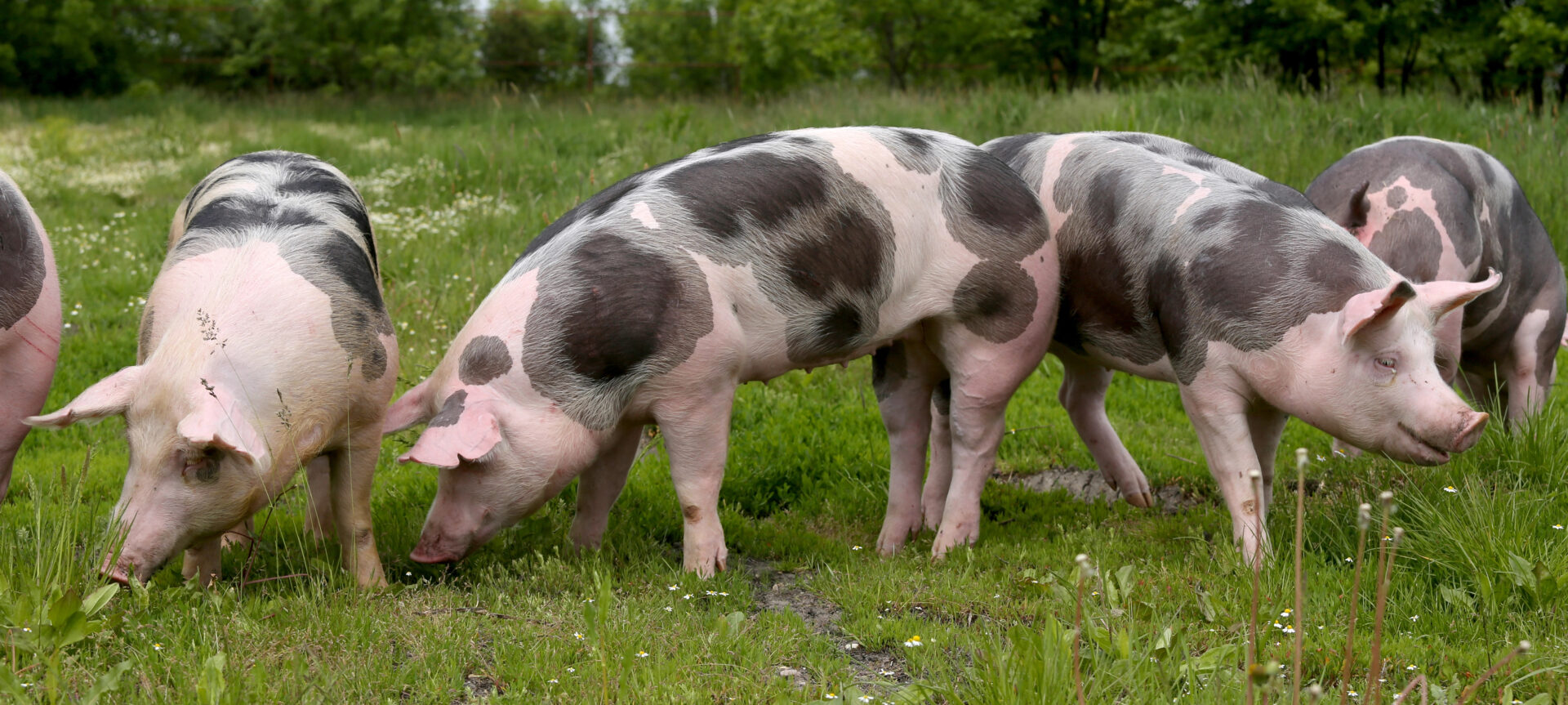
Pigs–Conventional vs. Pasture-Raised with Supplemental Feed
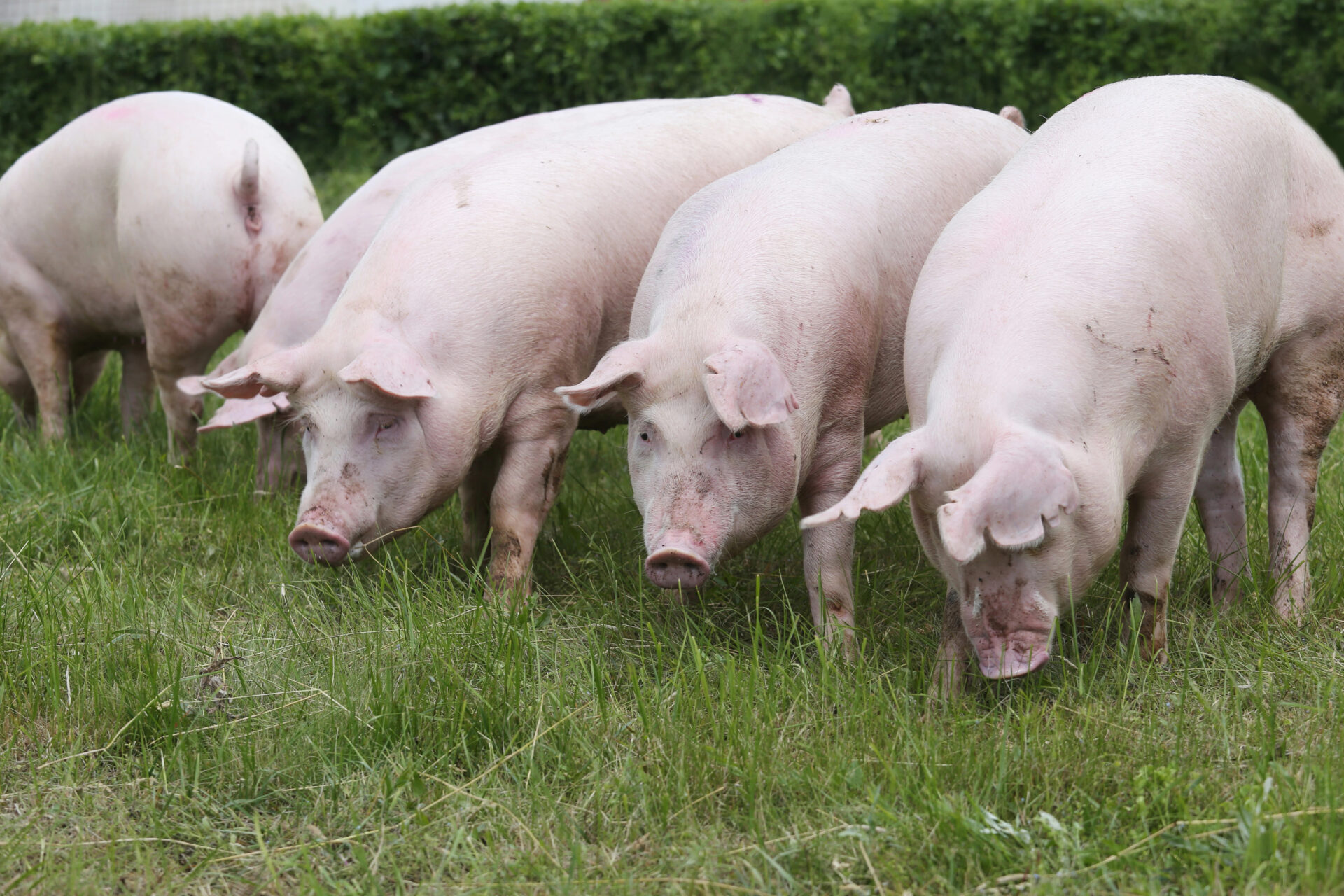
- Conventional Feed Diet: Conventionally raised pig feed includes 50-70% corn or other cereal grains such as sorghum, wheat, or barley, 15-40% soybean meal, animal fat, vegetable oil, or other fats, by-products like distillers dried grains with solubles (DDGS from ethanol production), wheat middlings, bakery waste, or other cost-effective ingredients. Additional proteins can include fish meal, blood meal, plasma, dried whey, or meat and bone meal. Mineral sources include limestone, monocalcium or dicalcium phosphate, and salt. Additional feed ingredients include synthetic amino acids, vitamins, trace mineral premixes, and other additives like enzymes, probiotics, acidifiers, antibiotics, growth promoters, or ractopamine for lean growth.
- Pasture-Raised Diet: Pasture-raised pigs have pasture and forage as the foundation of their nutrition throughout their lifetime. These pigs have continuous access to forage. They root, graze, and forage naturally on grasses, legumes (clover), forbs, browse, and other available vegetation. However, it’s important to understand this is not enough nutrition for pigs. They will need additional supplemental animal feed. The supplemental feeds may include non-GMO grains, protein sources, or mixed rations that complement pasture intake.
- Corn-Free, Soy-Free Supplemental Animal Feed: This type of animal feed replaces corn and soybean meal with other grains, legumes, seed meals, and animal proteins. Common caloric sources include sorghum, oats, barley, wheat, and other small grains. Protein sources can include field peas or other pulse crops, sunflower meal, peanut meal, fish meal, meat and bone meal where allowed, and alfalfa meal. Other typical ingredients include sunflower oil, flax, mineral and vitamin premixes, amino acid supplements, kelp, diatomaceous earth, yeast cultures, and other natural additives. Sometimes they add additional flax or other seeds for a higher fatty acid profile.
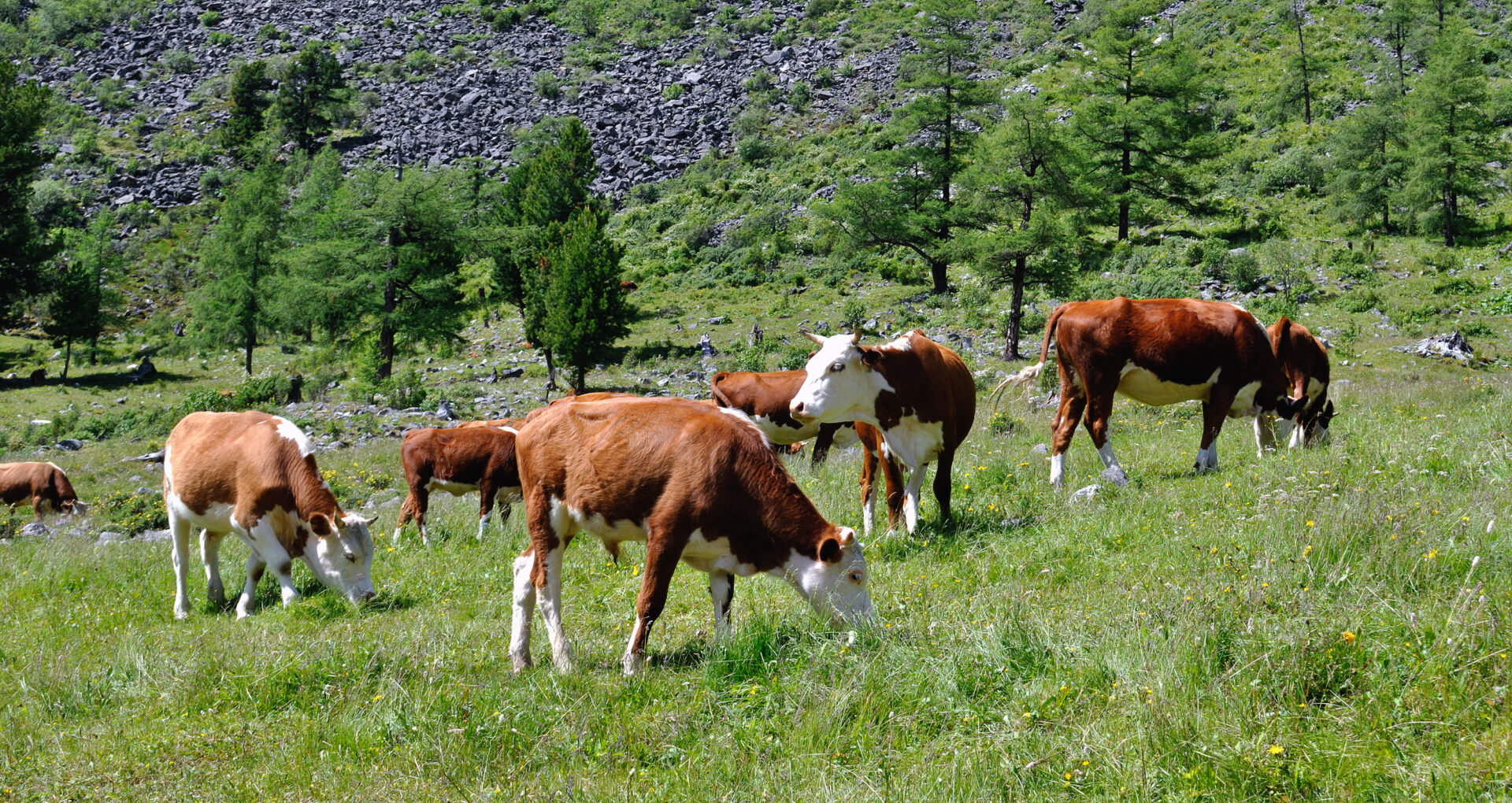
Pasture Management: CAFO Vs. Pasture-Raised
The living conditions of the animals are important. This tells you how much stress and comfort they had while they were alive, which directly impacts the meat you feed your family at home. Here, we’ll explain the main differences between what is out there. Please note that each farm is slightly different in how they manage their farm, but there are some main categories we can slot them in.
Basic Pasture Management Types
- Pasture-Raised: These animals spend a significant portion of their lives outdoors on actual pasture. This includes vegetated land with grass and plants, plus room to roam. This label has more to do with the animal’s living conditions and how much access it has to the outdoors than its diet. These conditions are far superior and help keep them from getting sick like other conventional livestock. Therefore, medical intervention is not needed as often. Medication management varies from farm to farm. In fact, some farms manage their livestock without needing any type of medicines other than what they would have used hundreds of years ago. However, the USDA does not tightly regulate this labeling term. Producers must substantiate the claim to the Food Safety and Inspection Service (FSIS), and recent guidelines encourage better documentation and third-party certification. Without verification, “pasture-raised” can range from cattle & other livestock that truly live on open grassland most of their lives to those with only limited outdoor access. That is why it’s best to buy from small family farms within the United States. In the United States, farmers live and die by their reputation. You’ll not be able to get a glimpse of that from farms outside the United States in the same way. Transparency will be easier to gauge with a simple search.
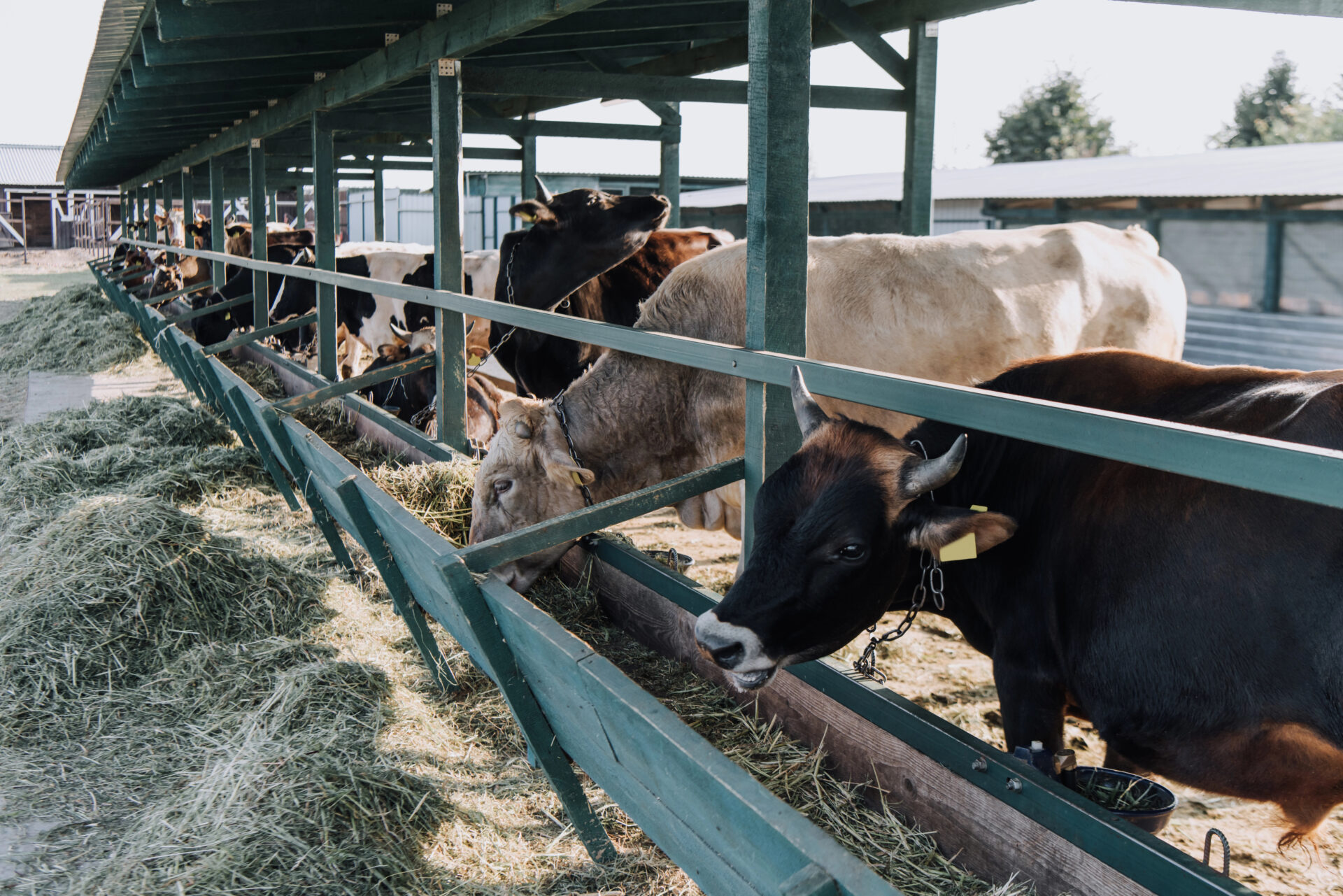
- Concentrated Animal Feeding Operation (CAFO) aka “Factory Farm”: This is an official term by the Environmental Protection Agency (EPA) for a large-scale industrial livestock facility. Animals are confined and fed for 45 days or more in any 12-month period and kept in a confined area without growing vegetation. These cattle spend most of their time confined in feedlots, barns, or small pens, and manure pollutants are discharged into waterways.
- Large CAFO:1,000 or more cattle
- Medium CAFO: Between 300–999 cattle
- Small CAFO: Less than 300 cattle
- Conventional Ranch Raised: This is what you would tend to see from most ranches that are not trying to sell themselves as “grass-finished” or “100% grass-fed.” But they can technically still use the “grass-fed” label if they wanted because their animals are indeed touching grass or hay. These small family farms use modern methods to raise their cattle. Most cattle get early pasture time, then are grain-fed in a feedlot later in the day. Depending on the farm and where it’s located, they may not have access to pasture grass.
Pasture-Raised vs. Organic — Which is Better? You Decide
This idea is a bit controversial, but I’ll try to explain it as best I can so you can get a good idea of what is happening here from the perspective of a city dweller. USDA Organic standards and certifications are expensive and very time-consuming to upkeep. Ask any USDA Organic farmer. It’s basically a farming plan that is certified by the USDA and audited annually. Now, my mother’s side of the family comes from farming in the Midwest, and they’re the most honest, hardworking, kind, independent, salt-of-the-earth people I’ve ever met. They would give you the shirt off their back to help you, but if you tell them what to do, think again. They do not want to be told what to do by anyone, especially the Federal government. This is the rub with the USDA Organic standards. Putting proud farm folk into the path of the Federal government telling them what to do with their private property is like having a bunch of cats and expecting to herd them in a straight line. It’s not going to happen as planned. So if you want to purchase from small family farms, you’ll need to understand that right off the bat. This will be about trust and relationships.
Most of the small family farms we ran across were not USDA Organic. You’ll notice that below, right away, when you see what we are recommending. My thoughts are it’s likely because (1) it’s too expensive and time-consuming and (2) they don’t like to be told what to do and constantly monitored by the Feds. Whether you like that or not, if you want to get into the habit of avoiding “Big Meat,” you’ll need to get over that part. Most small family farms producing livestock are not USDA organic. But plenty of American Grassfed Association (AGA) Certified farms are available.
Plenty of small family farms market their farms “beyond organic” or “similar to organic,” and what they are trying to communicate in simple terms is how they manage their pasture, how they avoid antibiotics & hormones, and what their animals eat. Mamavation has no problem with this at all. Sure, it’s nice to have standards and people verifying those standards, but in the culture of small family farms, that’s not what you are going to get most of the time. But if you really want USDA Organic, we’ve identified those farms for you down below.
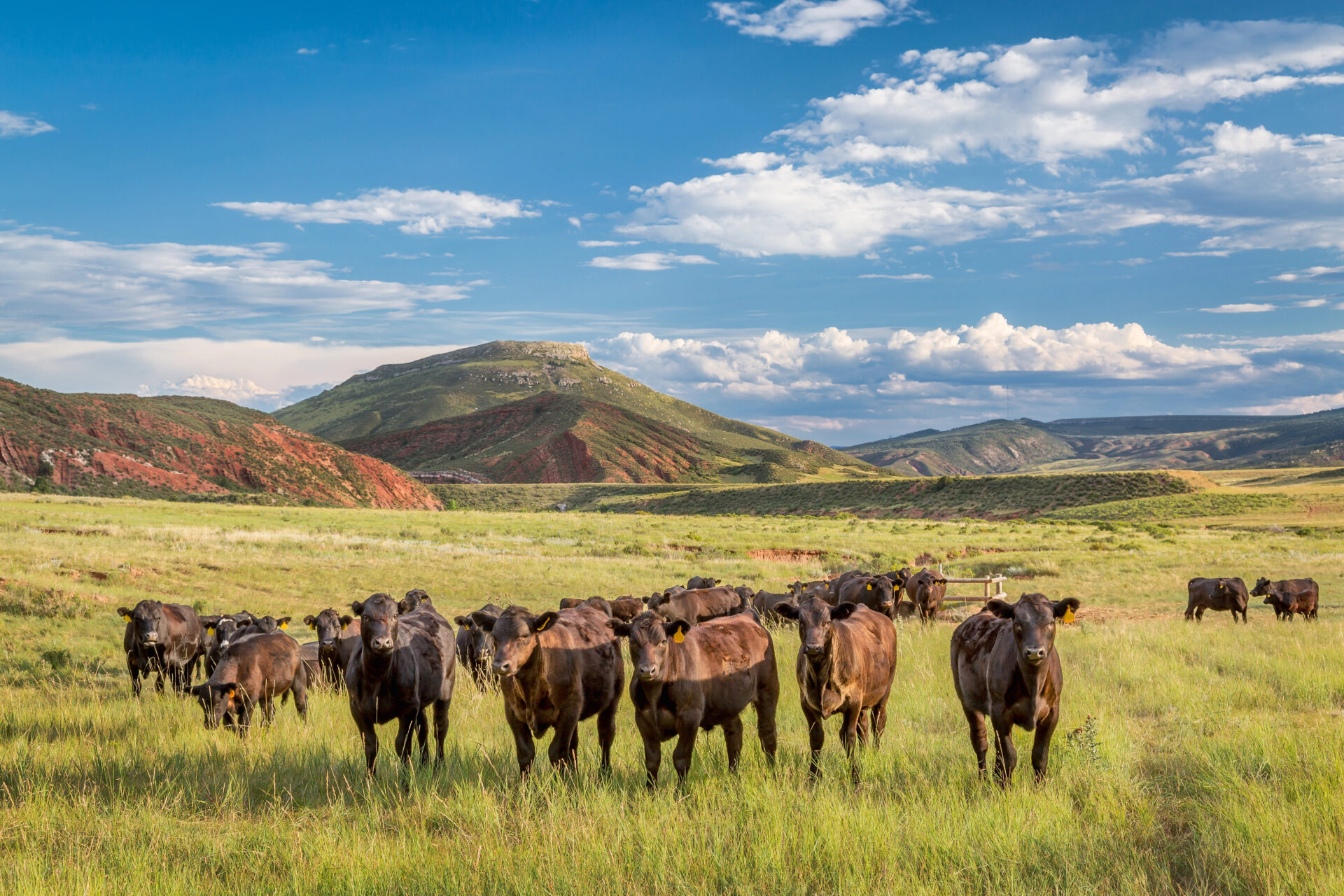
Medications
Use of Antibiotics & Hormones
The more the cattle weighs at slaughter, the more they can be sold for. Therefore, conventional ranchers have used several types of growth-promoting technology over the years to increase weight. These growth-promoting technologies can be categorized as hormones or antibiotics.
- Antibiotics: For beef cattle and broiler chickens, these therapeutics are used to treat illness or, sometimes, for metaphylactic & preventive care in high-density settings. However, since 2017, antibiotics must be given under veterinarian supervision under new FDA rules for beef, chicken, & pork.
- Ionophores (e.g., monensin/Rumensin): These therapeutics are also classified as antibiotics and are used to improve feed efficiency and reduce acidosis for beef cattle, broiler chickens, & pigs.
- Steroid hormonal implants: These are small pellets placed under the skin of the ear that slowly release hormones to increase weight gain and improve feed efficiency. No steroid hormone implants are approved for growth purposes in dairy cows, veal calves, pigs, or poultry. This is just for cattle meant for beef.
- Natural hormones: Estradiol (or estradiol benzoate), progesterone, or testosterone (or testosterone propionate).
- Synthetic hormones: Trenbolone acetate (TBA), which is a potent androgen, or Zeranol, which is an estrogen-like compound derived from a fungus.
- Beta-agonists: These are metabolic modifiers fed in the final weeks of finishing for beef cattle to increase muscle growth and carcass leanness. This tricks their body into shifting nutrients from fat to muscle.
-
Melengestrol acetate (MGA): A synthetic progestin given to feedlot heifers to suppress heat, which improves weight gain and feed efficiency.
The use of all hormones and antibiotics that are listed above is prohibited by American Grassfed Association (AGA) Certified cattle or USDA Organic cattle. Many small family producers that focus on grass-finished beef also avoid these practices.
Deworming & Parasite Control
Deworming and parasite control are handled a bit differently by conventional ranchers vs. ranchers in the American Grassfed Association (AGA) certified program or USDA Organic programs. Conventional ranchers practice calendar-based routine deworming. This would incorporate a wide range of synthetic dewormers like ivermectin, moxidectin, fenbendazole, combinations, pour-ons, injectables, & feed additives. Insecticides could also be used to control flies and lice.
For AGA or USDA organic producers, deworming and parasite control focus more on creating a grazing management system as part of the certification plan that provides a healthier environment for the cattle, broiler chickens, and pigs. The hope is that these synthetic dewormers will not need to be used because the livestock will not be in an environment where worms are as common. However, when preventive measures fail, they may use selective treatments for emergencies, but Ivermectin is prohibited. This is part of the “farming plan” they follow for certification. As for broiler chickens, their shorter lifespan and access to pasture make worms less of a problem, and many natural remedies are available for routine use, such as garlic, food-grade diatomaceous earth, pumpkin seeds, and other herbal blends added to the feed, or apple cider vinegar in water. For pigs, some of the same natural methods can be used as with broiler chickens, including wormwood and additional herbal medicines. However, if stronger medications are needed, they would be ineligible for the program and would no longer be certified.
Small producers have various ways of handling their cattle, broiler chickens & pigs; however, we have noticed that small family farms producing grass-finished beef and pasture-raised chickens are less likely to use conventional deworming and parasite control and may adopt a grazing management system similar to what the AGA requires with more natural remedies.
Vaccines & MRNA Technology
Animals raised on the farm can get very sick and need medical intervention. Therefore, routine vaccinations, deworming, and parasite control are common in conventional cattle raising. Most cattle producers, including USDA organic or AGA Certified, vaccinate animals against common diseases such as bovine respiratory disease complex, BVD, IBR, BRSV, blackleg, etc. Broiler chickens are not mandated to receive vaccinations, but if they do, they would receive vaccinations for coccidiosis, Marek’s disease, Newcastle disease, and a few others. Outdoor pasture-raised pigs are more susceptible to disease from exposure to wildlife, so their vaccinations may be more important. USDA Organic & AGA certified producers are known to be more selective about the types of vaccinations they use on their cattle, broiler chickens, & pigs, but they can use the same number as any other farm.
We ran across many claims by small family ranchers that they do not use mRNA vaccines. The truth is no mRNA vaccines are currently licensed or approved for use in beef cattle or dairy cows in the United States. However, mRNA trials are happening in the United States (for BVD, bovine coronavirus, & foot-and-mouth disease) in labs and universities, but those cattle would not be able to be sold for beef afterward because they are experimental. Therefore, the “No mRNA” claims for beef cattle are like saying “salt is gluten-free.” It doesn’t really mean anything.
This is different for pigs, though. One RNA-based vaccine (Sequivity) is licensed for swine (pigs) against influenza strains. But again, this is not a practice for cattle yet. Claims that cattle are routinely given mRNA vaccines (sometimes linked to COVID-19 vaccines or “mandates”) have been repeatedly debunked as false.
Not all small family farms will decide to vaccinate their animals. Those practices are up to each farm and how they want to run their operation. If you are curious which ones don’t, click through our links; they proudly share those details on their websites.
Mamavation’s Investigation on Meat Box Delivery Companies
Not Our Favorite Meat Box Delivery Companies
This category includes conventional beef, chicken & pork meat box delivery companies. Some meat may be from small ranches that are grass-fed but not grass-finished, and we are also concerned about potential use of antibiotics and hormones. However, these brands don’t make their animal care part of their primary story, so it’s hard to tell what is happening here. Some didn’t answer our emails and don’t have public information to tell this story, so we had to assume the worst. There is likely plenty of CAFO meat in this section.
- Backyard Butchers
- Campo Grande (pork)
- Chicago Steak Company
- DeBragga New York’s Butcher
- Farm Foods
- Freedom Farms
- Harry & David Fine Meats
- Mahogany Smoked Meats
- Mr. Steak
- Omaha Steaks
- Pat LaFreida Home Delivery
- Rastelli’s
- Snake River Farms
Better Meat Box Delivery Companies
This category is full of grass-fed meat boxes. It may be unclear how “grass-fed” the animals are, or they may have most of their beef coming from outside the United States. We don’t think that is bad, but we prefer to support small American farmers in our investigation, so we’ve marked which ones are from outside the United States. We’ve also included companies that have been acquired by large corporations (i.e., “Big Meat”), which kinda defeats the idea of getting away from “Big Meat.” In other words, part of this category is where we just weren’t sure after all our communication and review of their online materials. Contact us if we are wrong, and we will be happy to move you.
- ButcherBox (Mostly Australian beef providing 100% grass-finished beef, but Midwest farmers provide grass-fed, grain-finished beef)(Get $20 off your first box by using “MAMAVATION” at checkout)
- ButcherCrowd (Australian company. 100% Grassfed Beef, Pasture-Raised Chicken, 100% Grassfed Lamb, Pasture-Raised Pork, & Seafood)
- Crowd Cow (Products vary. Pay close attention to descriptions on site)
- Good Chop (Products vary. Pay close attention to descriptions on site)
- Good Ranchers (Products vary. Pay close attention to descriptions on site)
- Market House (non-responsive, but offerings seem to vary by product, with some 100% grass-fed or wild-caught, and others grass-fed, grain-finished)
- Pasturebird (acquired by Perdue Farms in 2019)
- Porter Road (Grass-fed, grain-finished)
- Sunday Farms (Canada)
Best Meat Box Delivery Companies
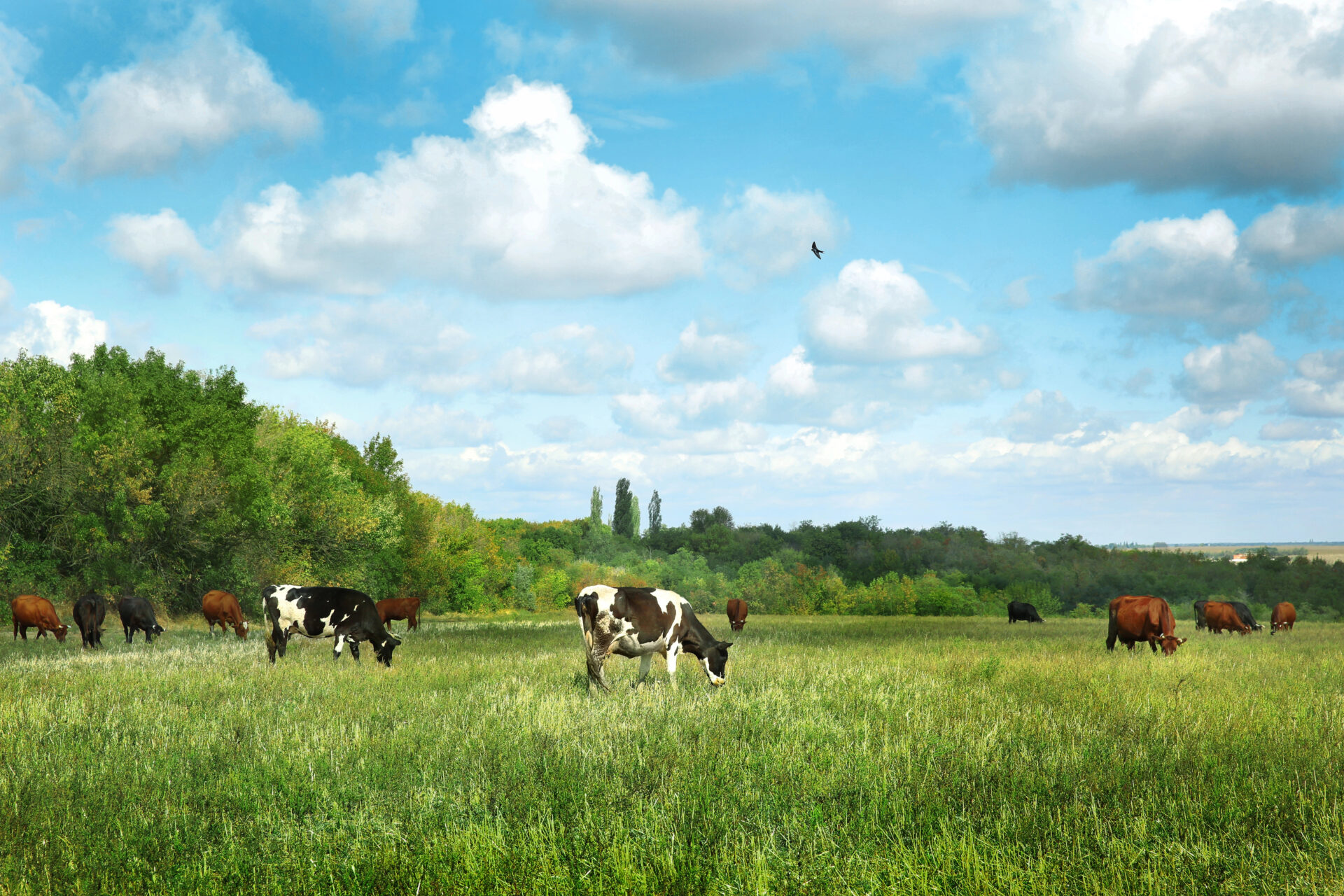
This category includes grass-finished (100% grass-fed) meat box delivery brands sourcing from American farmers. Chicken is either pasture-raised or organic. No hormones or antibiotics are ever used on animals, and if they are, those animals are removed from the herd. (In some instances, they are sold, but they make that clear on the site.) Some of the supply may come from outside the United States, but the vast majority will be from American small family farms. For inputs like chicken feed, assume organic and non-GMO feed comes from outside the United States because there isn’t enough USDA organic farmland to feed all animals.
100% Grassfed Meat Box Delivery Companies (more than one farm sourcing box)
- 99 Counties (100% Grass-fed Beef, 100% Grass-fed Bison, Organic Pasture-Raised Chicken, Pasture-Raised Pork, 100% Grass-fed Lamb, 100% Grass-fed Goat, & Seafood)
- Alderspring Ranch Provisions (USDA Organic Grass-fed Beef, Pasture-Raised & Organic Pork, Organic Beefsticks, Tallow Skincare, Pasture-Raised Dairy, & Seafood )
- David’s Pasture (100% Grass-fed Beef, Pasture-Raised Chicken, Pasture-Raised Pork, Pasture-Raised Turkey, Bones & Organ Meat, Pasture-Raised Eggs, Local Raw Honey, & Coffee)
- Dutch Meadows (100% Grass-fed Beef, Corn & Soy Free Pasture-Raised Chicken, Corn & Soy Free Pasture-Raised Pork, Grass-fed Raw Milk, Soy-Free Pasture-Raised Turkey, Corn & Soy Free Pasture-Raised Eggs, Raw Milk Cheese, Butter & Cream, Local Raw Honey, Sourdough Bakery, & Lacto Fermented Veggies)
- Kol Foods (Kosher)(100% Grass-fed Beef, 100% Grass-fed Lamb, Pasture-Raised Chicken, Pasture-Raised Turkey, Pasture-Raised Duck, & Wild-caught Salmon)
- Eat More Lamb (AGA Certified)(100% Grass-fed Lamb Sausage & Bacon)
- FoxHollow Farm (AGA Certified & Biodynamic) (100% Grass-fed Beef, 100% Grass-fed Bison, Pasture-Raised Chicken, Heritage Pork, & 100% Grass-fed Lamb)
- Force of Nature Meats (AGA Certified Farms)(100% Grass-fed Beef, 100% Grass-fed Bison, Pasture-Raised Chicken, 100% Grass-fed Venison, & 100% Grass-fed Elk)
- Grass Roots Farmers Co-op (100% Grass-fed Beef, Pasture-Raised Chicken, Pasture-Raised Turkey, & 100% Grass-fed Lamb)(Use discount code “MAMAVATION” for 10% off your first purchase)
- Maui Nui Venison (100% wild-caught venison) (Use code “LEAHS” for 15% off products!)
- Miller’s Bio Farm (Amish Farmers, 100% Grass-fed Beef, Pasture-Raised Chickens, Woodland Corn & Soy Free Pork, 100% Grass-fed A2/A2 Dairy, 100% Grass-fed Raw Dairy, Pastured Corn & Soy Free Eggs, 100% Grass-fed Raw Water Buffalo Dairy, 100% Grass-fed A2/A2 Cheese, Pasture-Rasied Corn & Soy Free Turkey, Fat, Bones, & Organs, Raw Honey, Salami, Kombucha & Fermented Drinks, Baked Goods, & Sourdough Bread)
- Moink (100% Grass-fed Beef, Pasture-Raised Chicken, Pasture-Raised Turkeys, Pasture-Raised Pork, 100% Grass-fed Lamb, & Seafood)
- Northstar Bison (Low Histamine Meats/Seafood, 100% Grass-fed Bison, 100% Grass-fed Beef, 100% Grass-fed Elk, 100% Grass-fed Lamb, 100% Grass-fed Goat, Corn-free Soy-free Pasture-raised Chicken, Corn-free Soy-free Pasture-raised Pork, Pasture-Raised Turkey, Duck & Quail)
- Nourish Food Club (100% Grass-fed Beef, Corn & Soy Free Pasture-Raised Chicken, Corn & Soy Free Pasture-Raised Eggs, 100% Grass-Fed Lamb, 100% Pasture-Raised Turkey, Sourdough Bread, Grass-Fed Raw Cheese, Grass-Fed Raw Dairy, & Bone Broth)
- Perennial Pastures (100% Grass-Fed Beef, A2 Raw Milk Delivery Service in Southern California, & Soy-Free Corn-Free Pasture-Raised Eggs)
- Primal Pastures (100% Grass-fed Beef, Pasture-Raised Corn Free Soy Free Chickens, Pasture-Raised Corn Free Soy Free Pork, Pasture-Raised Lamb, Seafood, Raw Honey, & Coffee)
- Seven Sons Farms (100% Grass-fed Beef, Pastured Pork, Pasture-Raised Chicken, 100% Grass-fed Lamb, 100% Grass-fed Bison, Grass-fed Dairy, Frozen Organic Fruits & Veggies)
- Starwalker Organic Farms(USDA Organic & Regenerative Organic Certified Beef, USDA Organic Pasture-Raised Chicken, USDA Organic Pasture-Raised Pork, USDA Organic beef jerky, & USDA Organic Meat Sticks)(Use discount code “MAMAVATION” for 10% off products for first-time customers!)
- The Honest Bison (Grass-fed Bison, 100% Grass-fed Beef, 100% Grass-fed Elk, Grassfed Venison, Organic Pastured Chicken, & 100% Grass-fed Lamb)
- TruBeef Organic (USDA Organic beef & lamb)
- Walden Meat (100% Grass-fed Beef, Pasture-Raised Chicken, Pasture-Raised Pork, Pasture-Raised Lamb, & Seafood)
- Wild Idea Buffalo (USDA Organic, Regenerative Organic Certified)(100% Grass-fed Bison)
- Wild Pastures (100% Grass-fed Beef, Pasture-Raised Chicken, Pastured Pork, & Seafood)(Deals are based on what is local to your area. Use our link and you will get $25 off your first 4 boxes)
- White Oak Pastures (AGA Certified)(100% Grass-fed Beef, Pasture-Raised Chicken, Pastured Pork, Grass-fed Lamb, Pastured Rabbit, Seafood, & Artisan Goods)(Get $20 off any order over $150. One use per customer. Use “MAMAVATION” at checkout or click on the link for it to be automatically applied.)
- US Wellness Meats (100% Grass-fed Beef, 100% Grass-fed Lamb, Pasture-Raised Chicken, Pasture-Raised Duck, Pasture-Raised Turkey, 100% Grass-fed Bison, 100% Grass-fed Elk, 100% Grass-fed Elk, Pasture-Raised Pork, Beef Broth, & Organ Meats) (Use discount code “FRESH15” for 15% off products for a first-time customer)
Cut Out the Middleman — 100% Grassfed & Pasture-Raised Chicken/Pork Ranches Operating Direct to Consumer Online
- Blackberry Ridge Farms (AGA Certified)(100% Grassfed Beef)
- Brenneman Farms (100% Grassfed Beef, Pasture-Raised Chickens, Pasture-Raised Pork, & Pasture-Raised Eggs)
- Cairncrest Farm (100% Grassfed Beef, Pasture-Raised Organic Chicken, Grassfed Lamb, & Pastured Pork)
- Crawley’s Country Beef (AGA Certified)(100% Grassfed Beef, Pasture-Raised Chicken, & Pasture-Raised Pork)
- Flying A Farms (100% Grassfed Beef, Pasture-Raised Chicken, & Pasture-Raised Pork)
- Flying B Bar Ranch (AGA Certified) (100% Grassfed Beef, Pasture-Raised Chicken, Heritage Pork, 100% Grassfed Lamb, & Tallow)
- FoxHollow Farm (AGA Certified & Biodynamic) (100% Grass-fed Beef, 100% Grass-fed Bison, Pasture-Raised Chicken, Heritage Pork, & 100% Grass-fed Lamb)
- Grandview Beef (AGA Certified) (100% Grass-fed Beefsticks)
- Hickory Nut Gap Farms (100% Grass-fed Beef, 100% Grass-fed Beef Hotdogs, Pasture-Raised Heritage Pork)
- Keephills Farm (100% Grass-fed Beef, Pasture-Raised Chickens, & Pasture-Raised Pork)
- Lick Skillet Farm (100% Grass-fed Beef, Pasture-Raised Chickens, 100% Grass-fed Lamb, & Pasture-Raised Pork)
- Lockhart Cattle Company (AGA Certified)(100% Grass-fed Beef)
- Maddox Family Farms (100% Grass-fed Beef, 100% Grass-fed Lamb, Pasture-Raised Chicken, Pasture-Raised No Corn No Soy Pork, 100% Grass-fed Beef Jerky, Raw Honey, Bones & Broth)
- Mariposa Ranch (100% Grass-fed Beef, West Coast California Ranch)
- Metzer Farms (Farm & Hatchery in Tennessee & California)(Pasture-Raised Chickens, Pasture-Raised Ducks, Pasture-Raised Turkeys, Pasture-Raised Geese, Guinea Fowls, Duck Eggs)
- Miller’s Bio Farm (Amish Farmer, 100% Grass-fed Beef, Pasture-Raised Chickens, Woodland Corn & Soy Free Pork, 100% Grass-fed A2/A2 Dairy, 100% Grass-fed Raw Dairy, Pastured Corn & Soy Free Eggs, 100% Grass-fed Raw Water Buffalo Dairy, 100% Grass-fed A2/A2 Cheese, Pasture-Rasied Corn & Soy Free Turkey, Fat, Bones, & Organs, Raw Honey, Salami, Kombucha & Fermented Drinks, Baked Goods, & Sourdough Bread)
- Parker Pastures (100% Grass-fed Beef & Pasture-Raised Chicken)(Get $25 off your first order of $150 or more by using discount code “LEAH”)
- Rebel Pastures (100% Grass-fed Beef, Pasture-Raised Chicken, Pasture-Raised Pork, 100% Grass-fed Lamb, 100% Grass-fed Bison, & Seafood)
- Rocking M Ranch (AGA Certified)(100% Grass-fed Beef & Raw Honey)
- Sonny’s Farm (100% Grass-fed Beef, Pasture-Raised Corn-Free Soy-Free Chicken, & Pasture-Raised Corn-Free Soy-Free Pork)
- Stony Mountain Ranch (100% Grass-fed Piedmontese Beef, Pasture-Raised Pork, Pasture-Raised Chickens, & Sausages)
- Summerfield Farms (AGA Certified) (100% Grass-fed Beef)
- Waseda Farms (100% Grass-fed Beef, Organic Beef, Organic Chicken, Organic Turkey, & Pork)
- Whitehurst Farm (100% Grass-fed Beef, Pasture-Raised Chicken, Pasture-Raised Pork, Pasture-Raised Turkey, 100% Grass-fed Lamb, & Pasture-Raised Eggs)
- White Oak Pastures (AGA Certified)(100% Grass-fed Beef, Pasture-Raised Chicken, Pastured Pork, Grass-fed Lamb, Pastured Rabbit, Seafood, & Artisan Goods)(Get $20 off any order over $150. One use per customer. Use “MAMAVATION” at checkout or click on the link for it to be automatically applied.)
 Butter Wrappers & Indications of PFAS “Forever Chemicals” — Buying Guide