
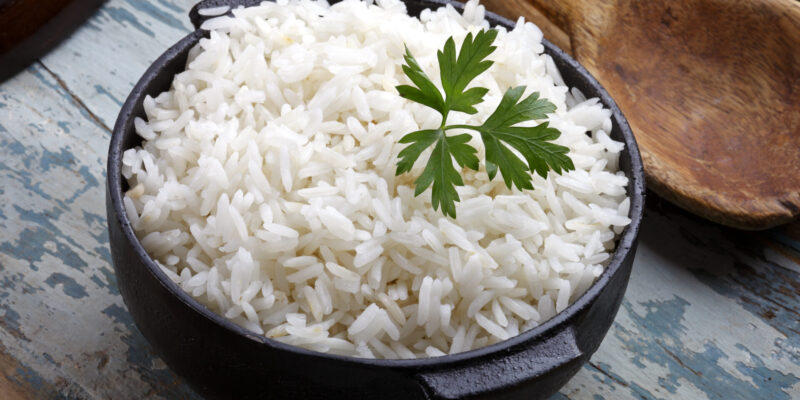
What jasmine rice products can you safely feed your family that have been tested for toxic arsenic, the most common contaminant? Mamavation accepted rice donations from women across the United States and sent them to an independent EPA-certified laboratory to test for arsenic, lead, cadmium & mercury. This consumer study will report how the jasmine rice brands we sent to the laboratory fared at the bottom of this post. You’ve trusted Mamavation to bring you investigations like safest coffee from pesticides & PFAS, safest cooking oils tested for phthalates, and best water filters to capture PFAS “forever chemicals,” now join us for our latest consumer study on rice and see which Jasmine rice brands are the safest from arsenic.
Disclosure: This consumer study is released in partnership with Environmental Health News. Scientific reviews were performed by (1) Terrence Collins, Teresa Heinz Professor of Green Chemistry & Director of the Institute for Green Sciences at Carnegie Mellon University, & (2) Linda S. Birnbaum, Scientist Emeritus and Former Director of the National Institute of Environmental Health Sciences and National Toxicology Program & Scholar in Residence at Duke University, Adjunct Professor at the University of North Carolina, & Yale University. Donations were provided by Environmental Health News and Mamavation community members. Note that Mamavation has only “spot-checked” the industry and thus we cannot make predictions about brands and products that we have not tested. Products and manufacturing aides can change without notice so buyer beware. This post contains affiliate links, with most to Amazon, which means Mamavation will receive a portion of those sales and we will use that to pay ourselves back for the testing. You can also give a tax-deductible donation to our consumer studies here through Environmental Health Sciences. Thank you! Copyright © 2025 Mamavation — All Rights Reserved
Table of Contents
Mamavation Found Arsenic, Lead, & Cadmium in Rice
How much arsenic is in a typical cup of rice? Let’s find out. Previous studies found high levels of arsenic in most rice products, so we created a rice consumer study based on the exact needs of Mamavation community members. Mamavation sent 57 rice & rice noodle products to an EPA-certified laboratory to test for total arsenic, lead, cadmium, & mercury. Because rice is the most significant source of arsenic (other than drinking water) most Americans have daily, we relied on donations from our audience to test exactly what they were already using.
Jasmine rice, basmati rice, brown rice, long-grain rice, parboiled rice, sushi rice, heirloom rice, forbidden rice, & ramen rice noodles were all sent to the laboratory and had various levels of arsenic and other heavy metals present. Here are some of the main findings:
- 98% of rice samples contained detectable total arsenic. That’s 56 out of 57 rice products. And, 100% of Jasmine rice had detectable total arsenic.
- Jasmine rice arsenic levels ranged from 0.013 ug/g to 0.289 ug/g of total arsenic. This can also be described as 13 to 289 parts per billion (ppb).
- The average Jasmine rice product contamination was 96 ppb total arsenic; however, the average rice product contamination from the entire rice group was 113 ppb total arsenic.
- Highest Arsenic Products: Mamavation sent two products with over 10 mcg of total arsenic for every 45 mg of rice for more testing of inorganic arsenic. Neither of those products were Jasmine rice, but they came back with concerning levels of inorganic arsenic– 175 ppb and 222 ppb total inorganic arsenic. These samples were from China, Heilongjiang Province, and Louisiana.
- Geography of Highest Arsenic: Rice products with the highest total arsenic were from China, Thailand, Louisiana, Texas, & South Carolina.
- Geography of Lowest Arsenic: Rice products with the lowest total arsenic were from California, India, Korea, Vietnam, Thailand, & China.
Linda S. Birnbaum, Scientist Emeritus and Former Director of the National Institute of Environmental Health Sciences and National Toxicology Program & Scholar in Residence at Duke University, Adjunct Professor at the University of North Carolina, & Yale University had this to say after she reviewed this consumer study: “Pay close attention to how much arsenic is in your rice if you are raising young children or are pregnant. Mamavation has made this easy for you to navigate with their rice testing. Overall, this is a big problem for women who are pregnant, feeding small children, and people who consume lots of rice. So if you eat lots of rice, it’s best to opt for safer brands or types of rice lower in arsenic.”
Health-Related Impacts Linked to Overconsumption of Arsenic
Arsenic is a carcinogen that, in chronic exposure, is linked to bladder, lung, and skin cancers. Its most toxic form, inorganic arsenic, is found in the environment and around industrial processes. Early-life exposures to inorganic arsenic in utero are especially dangerous. Here are some additional health-related impacts linked to overconsumption of arsenic.
- Spontaneous abortion & stillbirths
- Increase in preterm births
- Neurodevelopmental disorders
- Behavioral disorders
- Cancer (bladder, lung & skin cancers)
- Skin lesions
- Cardiovascular disease
- Diabetes
For most of the world, exposure to arsenic is through contaminated groundwater. Inorganic arsenic is naturally present at high levels in the groundwater in regions of Argentina, Bangladesh, Cambodia, Chile, China, India, Mexico, Pakistan, the United States of America, and Vietnam. Acute poisoning results in vomiting, abdominal pain, and diarrhea, followed by numbness and tingling of the extremities, muscle cramping, and even death, in extreme cases. Children are especially vulnerable to arsenic, and in such rare cases, they are referred to a medical toxicologist, Poison Control Center, or Pediatric Environmental Health Specialty Unit for possible chelation therapy. You can check to see the arsenic levels in your public water district here through the Environmental Working Group Tapwater Database.
How to Lower Asenic Exposure for Children
If you are pregnant or caring for small children, lowering your exposure to arsenic is important. There are many things you can do, and we would love to help you get started!
- Drinking Water: The official recommendation from health professionals is to consider drinking bottled water in areas with elevated levels of arsenic in drinking water. You can check the water in your area here. Unfortunately, boiling water does not remove arsenic. However, we also worry a bit about exposing children to the microplastics in bottled water, so perhaps the best solution is getting a good water purifier for your home. Finding a good water purifier that can reduce arsenic levels is tricky. Most systems do not filter arsenic well, but we have linked some sound systems that can tackle that below. Here are our three water filter recommendations specifically for handling arsenic in water:
- Clearly Filtered 3-Stage Under the Sink Water Filtration System with Affinity Filtration Technology (or you can alternatively use their Clearly Filtered Water Pitcher with Affinity Filtration Technology) (Using these links will automatically deduct 10% off your purchase!)
- Aquasana SmartFlow Reverse Osmosis (Use discount code “MAMAVATION” for 10% off purchases!)
- AQUA TRU Countertop Water Filtration Reverse Osmosis or Under the Sink model (This link will automatically deduct $100 off a unit for you at checkout.)
- Diet: Generally, varied diets from whole foods are recommended instead of relying on prepackaged rice products.
- Limit consumption of anything derived from rice, like rice syrups or rice cereals. Check the ingredients in your packaged foods and limit the amount of food consumed that contains rice.
- Iron-fortified rice cereal is not the best first grain introduced to infants; instead, other options like oats, barley, and multigrain cereals should be introduced. These alternative grains can become a staple among older kids too.
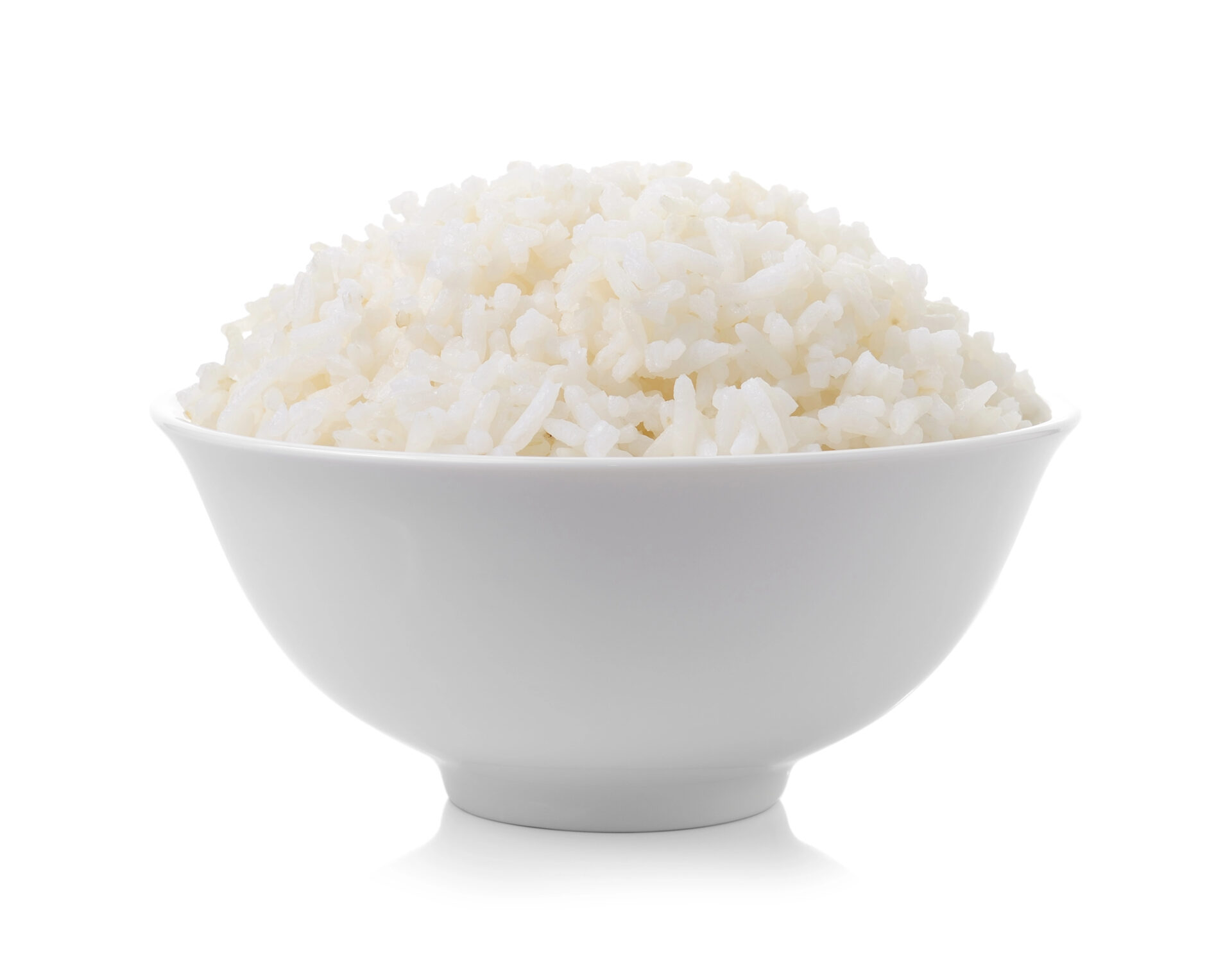
- Preparing Rice: When preparing rice for children, rinse it before cooking. Cook the rice in plenty of water, similar to how you would cook pasta. The arsenic will pull out of the rice into the water, and you can dump it out. This will lower the total arsenic you are exposed to.
- Switch from brown rice to white rice. Rice without the hull typically has less arsenic.
- Limit consumption of fruit juices, especially grape and apple. Here are our recommendations for the safest apple juice brands based on a prior study released by Consumer Reports looking at arsenic levels:
- 365 Everyday Value (Whole Foods) Organic Apple Juice, 100% Juice
- Juicy Juice Organics 100% Juice, Apple (single juice box)
- Honest Kids Organic Juice Drink, Goodness Grapeness (single juice box)
- Simply Balanced (Target) Organic Apple Juice, 100% Juice
- Avoid Chromated Copper Arsenate (CCA) when treating wood or decking and opt for safer alternatives. Here are some better options for decking and furniture.
- Avoid allowing your children to play in dirt around industrial areas, especially locations with smelters, welders, woodworkers, chemical plants, glass manufacturing, and maintenance crews.
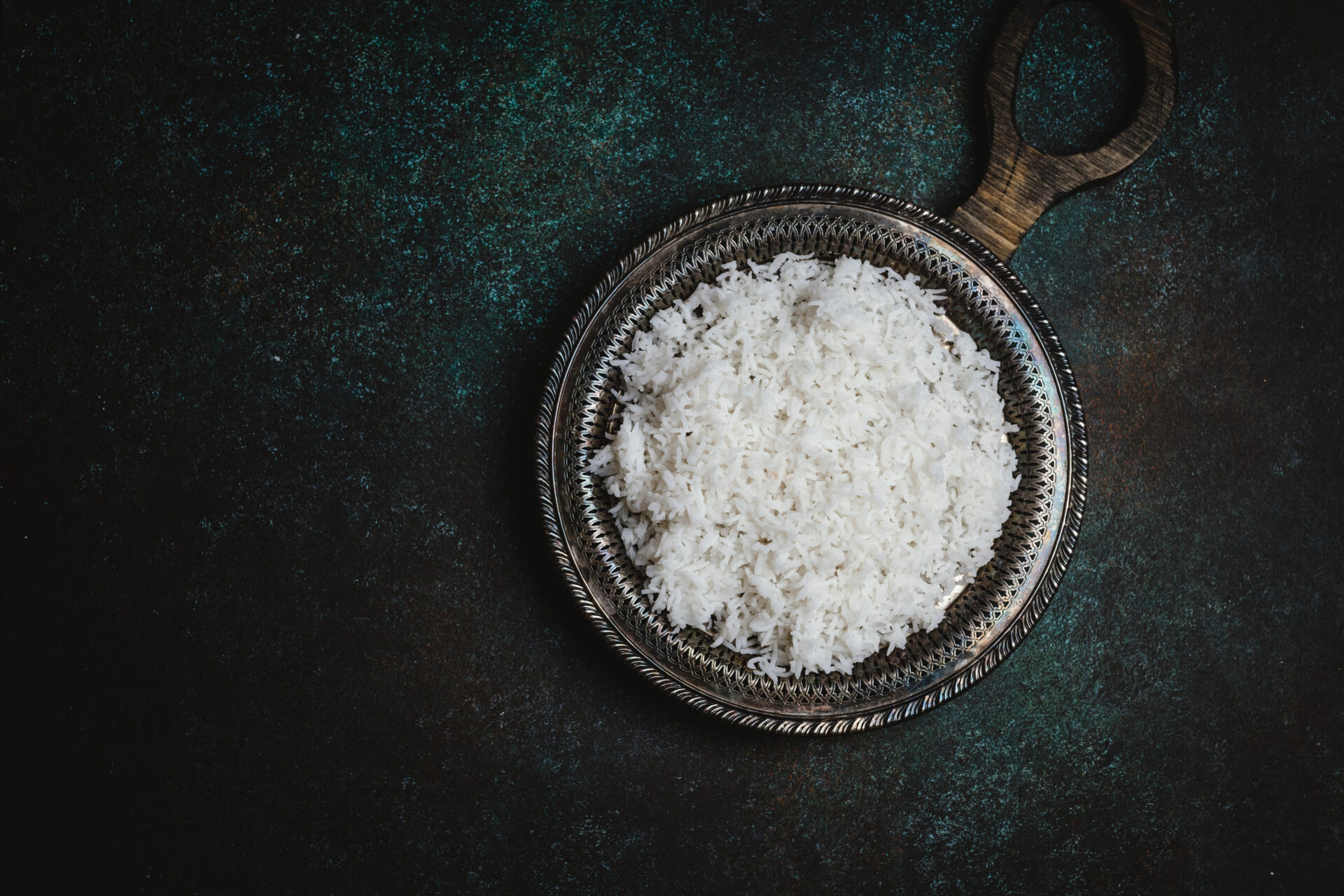
Types of Rice — What We Tested
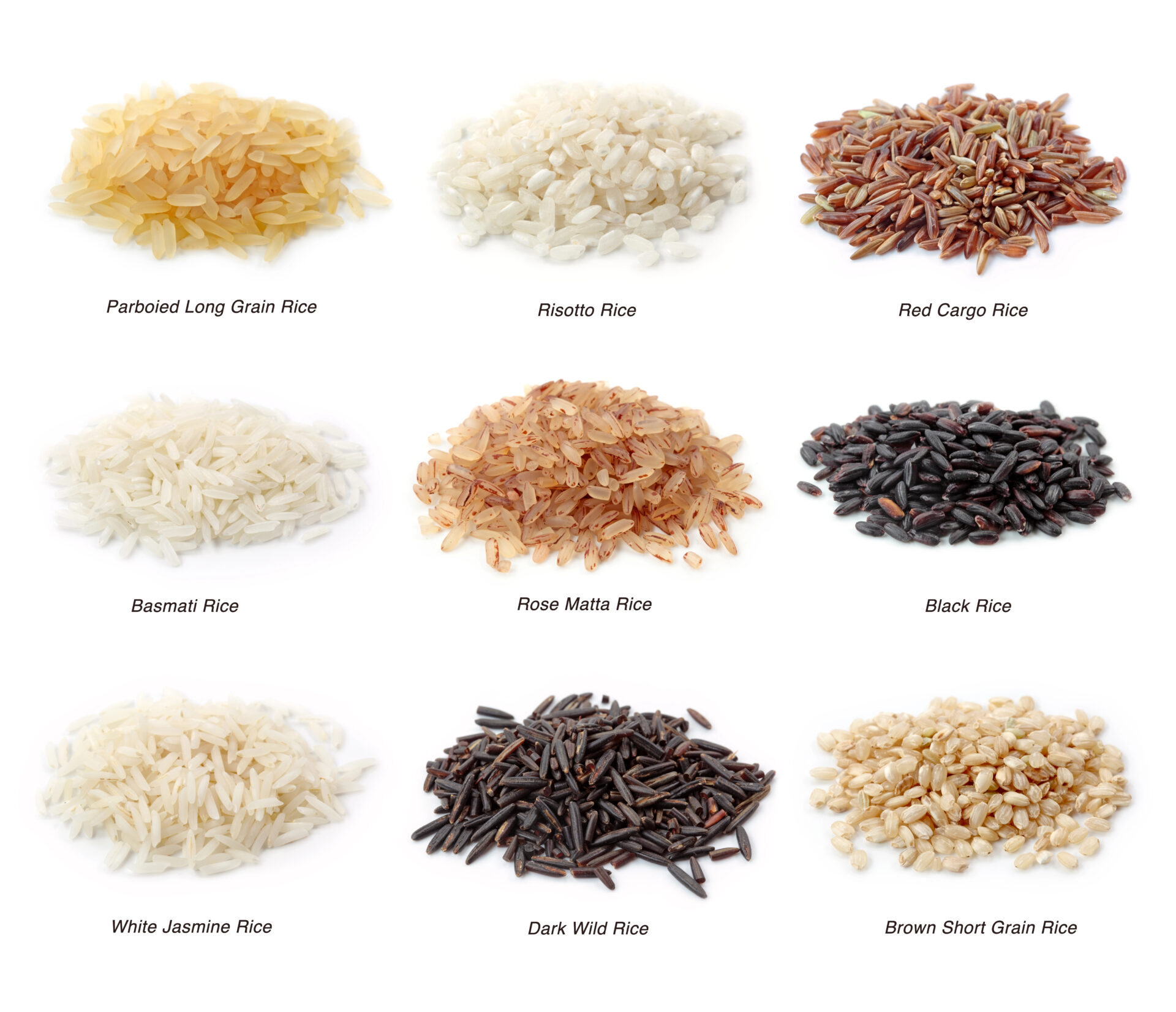
There are two main types of rice: Indica and Japonica. Indica rice, better known as long-grain rice, such as Basmati and Jasmine rice, is long and slim. Japonica rice is a medium to short-grain rice and is stickier, shorter, or rounder. Wild rice is not true rice because it comes from a grass family, but we know you eat it so we won’t be splitting hairs here. Here are the types of rice we tested, broken into categories:
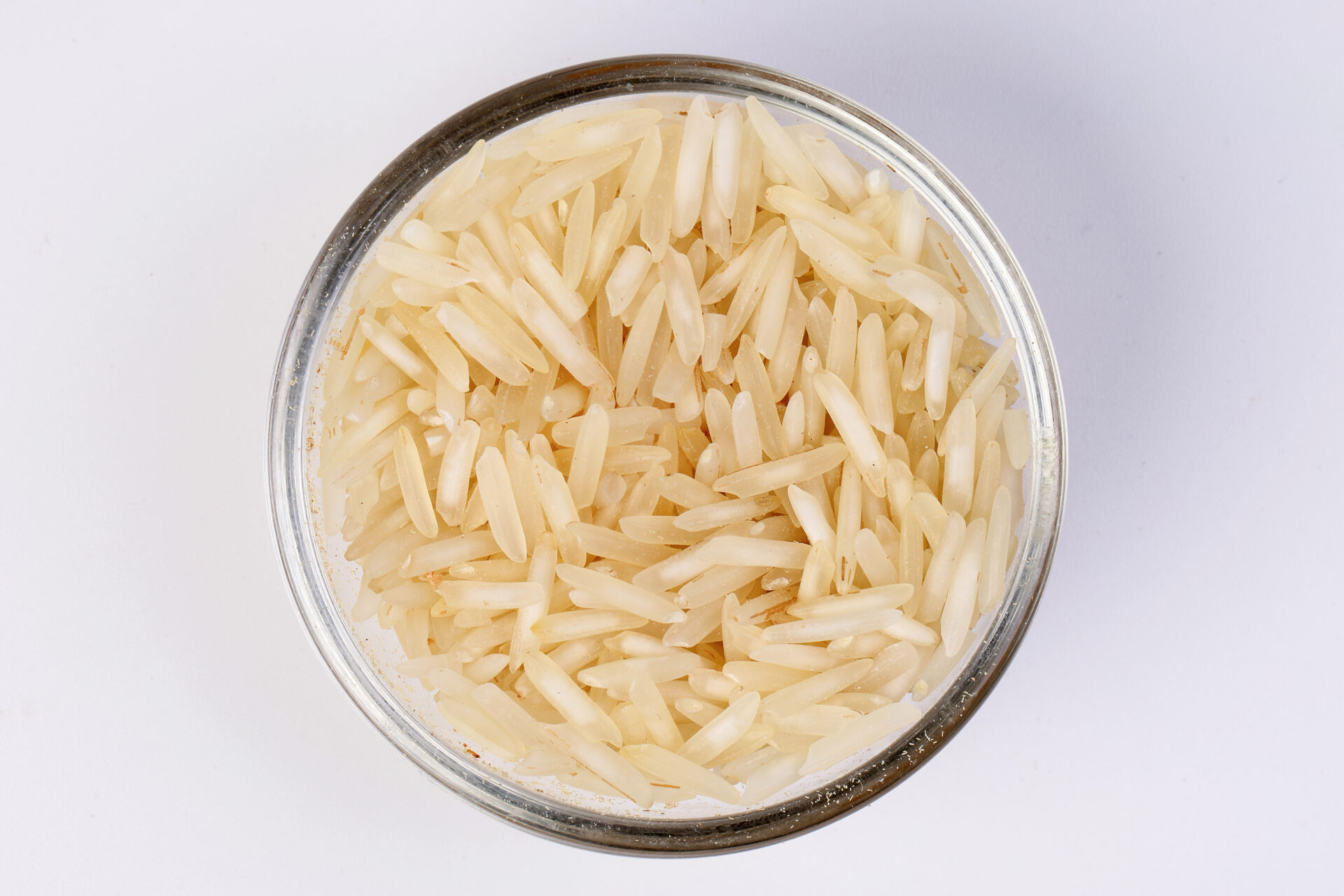
- Basmati Rice — Basmati rice is a long-grained rice with a nutty flavor and aroma. This type of rice becomes very fluffy when cooked and used in South Asian and Middle Eastern cuisines.
- Jasmine Rice — Jasmine rice is another long-grained rice with a floral scent and slightly sweet flavor, native to Southeast Asia. Jasmine rice from Thailand is also known as “Thai Horn Mali”.
- Brown Rice — Brown rice is a whole grain rice containing the rice kernel, including the germ and the endosperm. This rice is higher in fiber. Technically, any other rice that maintains its structure can be a brown rice. Brown rice typically has more arsenic than white rice because of the hull.
- Black “Forbidden” Rice is considered a whole grain because it has retained its bran, germ, and endosperm. It’s very dark in color and not as popular in the US as other rice categories.
- Wild Rice — This rice has more fiber and protein than other rice. The colors can vary.
- Rice Noodles — We included this category as noodles made from rice. Some products are transparent about what type of rice they use, while others are not.
- Parboiled — This rice is partially cooked in the husk, and then the husk is removed. This is also referred to as “easy cook” rice.
- Sushi & Other Short-Grain Rice — This category is a general section where we have to stuff many additional types of rice, like sushi rice and sticky rice.
How Arsenic Finds Its Way Into Rice & Rice Cereals
How does arsenic contaminate rice? The answer to that question is both complicated and straightforward. Rice is the number one source of arsenic for most Americans, but if you eat lots of chicken, mushrooms, or seafood, your arsenic levels may be even higher. Here are the main exposure pathways for arsenic in rice:
- Geographic locations and farming practices in that area can impact the arsenic in rice. For instance, rice from California may have less arsenic than rice from Texas or Louisiana.
- Rice paddies take up more arsenic than other plants, so the naturally present arsenic will increase in rice in a way that doesn’t happen in other plants.
- The local water supply could have higher arsenic levels, and if used for irrigation, it will increase the amounts in rice. Certain areas like Los Angeles, Houston, & Spokane have higher levels of arsenic in the water.
- Legacy Pesticide Use: Rice farms that used to be other types, like cotton or tobacco farms, could already have arsenic contamination in the soil from previous pesticide use.
- Most rice paddy farms are irrigated heavily with water, turning them into mud patches that never dry and, over time, concentrate arsenic.
- Arsenic-containing drugs: Sometimes arsenic-containing drugs and feed additives are fed to chickens to keep them from getting sick, but this also increases arsenic in their feces. This arsenic-filled chicken poop can be used in composting, which can get into the general food supply and can be taken up by plants or eaten by farm animals.

Best Rice Cookers
We’ve been researching the safest cookware and small kitchen appliances for years, so we wanted to share with you the safest rice cookers free from PFAS “forever chemical” coatings. Most rice cookers are coated with PFAS “forever chemicals” or different coatings containing nanoparticles. The safest options for rice cookers are either made from stainless steel, cladding materials, or uncoated ceramic, and can make perfect rice with fluffy textures. The stainless steel inner rice bowl should be safe for the dishwasher, not the entire machine. Not all accessories are approved if they are made of plastic, such as a plastic steamer basket or plastic rice paddle. Most of these machines have a tempered glass lid and a safe heating element, but they can also be placed in warm mode to keep warm. Increasing the water ratio in the rice cooker and later tossing the excess water helps reduce the arsenic in each rice bowl.
- Aroma Housewares Select Stainless Rice Cooker & Warmer
- Aroma Housewares Black Select 6 Cup Stainless Rice Cooker & Warmer
- Aroma Housewares Red Select 6 cup Stainless Rice Cooker & Warmer
- Buffalo Classic Rice Cooker (with Clad Stainless Steel Inner Pot) – 5 Cups
- Buffalo White IH Smart Cooker, Rice Cooker & Warmer
- Elite Gourmet 6 Cup Rice Cooker
- Tatung Stainless Steel Rice Cooker
- Vita Clay 2-n-1 Chef Rice Cooker (Use discount code “MAMAVATION” for $30 off products)
- Vita Clay Smart Organic Rice Cooker (Use discount code “MAMAVATION” for $30 off products)(This brand has low levels of lead inside the ceramic. All public migration labs commissioned by brand have been non-detect. However, the amounts of lead found by independent bloggers are below 90 ppm on food contact surfaces, which are considered very low for ceramic. Because the State of California bases exposure of lead on migration testing for small kitchen appliances, this brand does not require a Prop. 65 warning because it doesn’t leach lead over the amounts that are concerning. So can you find lead in there? Yes. Is it leaching in a concerning way? The State of CA would say no.)
Interested in other small kitchen appliances and cookware investigations? Here are some additional studies we have done you may be interested in:
Cookware & Bakeware
- Cookware
- Ceramic Cookware
- Stainless Steel Cookware
- Cupcake & Muffin Pans
- Baking Sheets, Cookie Sheets, and Sheet Pans
Other Kitchen Accessories
Small Kitchen Appliances
- Water Filters
- Air Fryers & Air Fryer Ovens
- Juicers
- Kitchen Stand Mixers
- Rice Cookers
- Waffle Makers
- Indoor Kitchen Grills & Paninis
- Blenders
- Nut Milk Makers
- Food Processors
- Toasters & Toaster Ovens
- Outdoor Grills & BBQs
- Ice Cream Makers
- Slow Cookers
- Espresso Machines & Mokas
- Electric Kettles
Food Packaging
- Disposable plates & foodware
- Cupcake Liners
- Plastic Free Disposable Straws
- Sandwich Bags like Ziploc
Serving & Plating
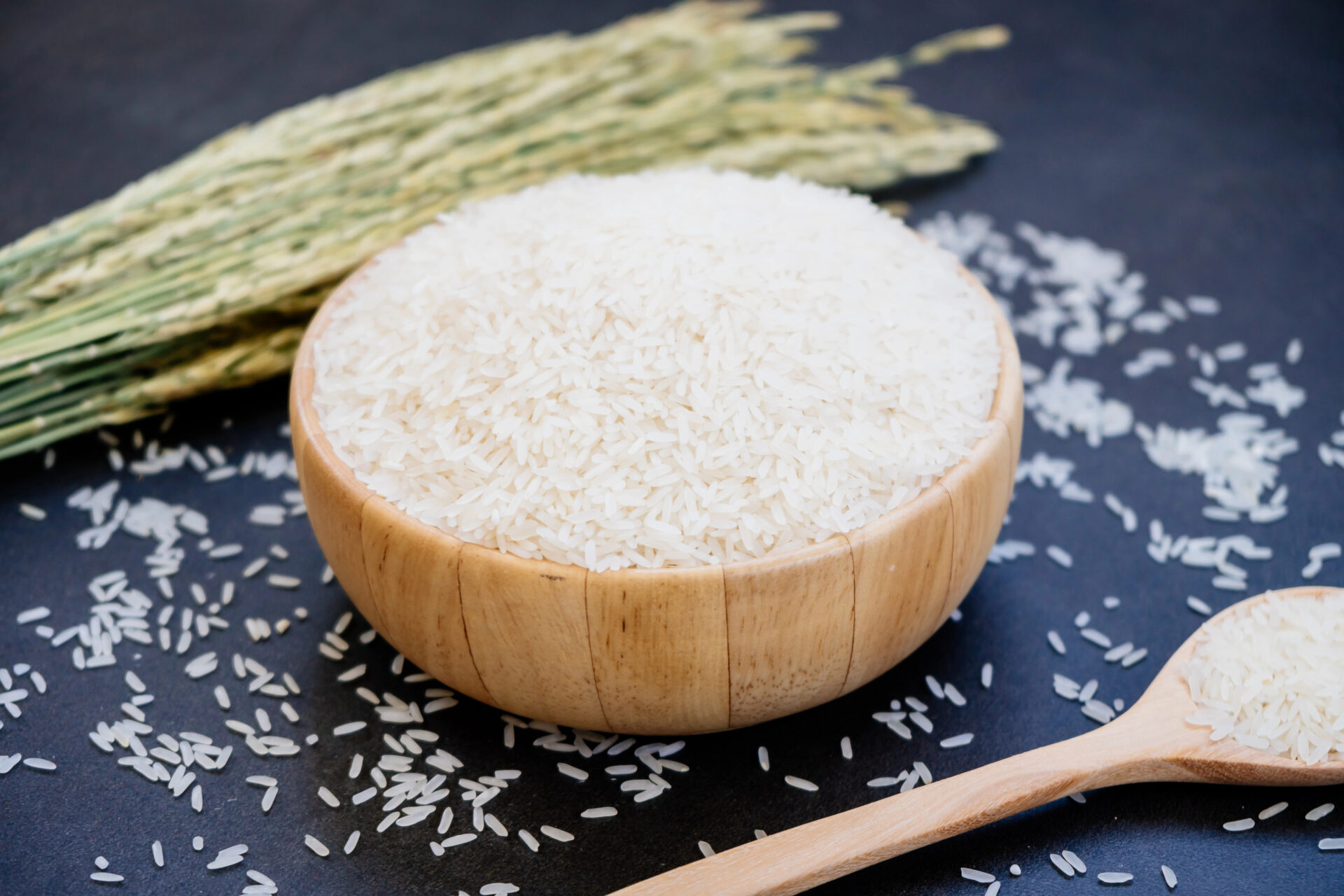
Mamavation’s Investigation on Jasmine Rice Tested for Arsenic, Lead, Cadmium, & Mercury
To recap, Mamavation sent 57 rice products to an EPA-certified laboratory for testing for arsenic, cadmium, mercury & lead. 98% of rice products had detectable amounts of total arsenic. However, 100% of the rice products contained some detectable heavy metal.
Mamavation accepted rice donations from women across the United States in the following categories: jasmine rice, basmati rice, sushi rice, long grain rice, brown rice, rice noodles, forbidden rice, wild rice, and parboiled rice. After receiving the rice, we recorded the information, took pictures, and sent the products to an EPA-certified laboratory for analysis. Rice that was above 0.22 mcg/g (10 mcg of arsenic per 45-gram serving), was sent back for more inorganic arsenic testing. We then estimated inorganic arsenic in other products by using a summary assessment of inorganic arsenic in rice published in 2024. Based on that study, we estimated that inorganic arsenic accounts for 72.7% of the total arsenic found. We included those estimations with all the products in the raw data below.
We are releasing the raw data in different categories:
- jasmine rice,
- basmati rice,
- long grain rice,
- brown rice,
- rice ramen and rice noodles,
- sushi & short-grain rice
- all rice products together
The final rice-related investigation that will be posted will be a compilation of all rice products together. The raw data released in this investigation will focus on Jasmine Rice. We divided the rice products into 3 categories according to contamination levels. These levels reflect the overall levels of heavy metal contamination in each product but do not follow specific government recommendations.
- ug/g = 1 ppm = 1000 ppb
- ug/kg = 1 ppb
- <MRL means less than “maximum residue limit,” which means it can be found, but it’s so small it can’t be quantified.
- ND = non-detect
Terrence Collins, Teresa Heinz Professor of Green Chemistry & Director of the Institute for Green Sciences at Carnegie Mellon University, had this to say after his scientific review of this consumer study:
“We all understand that rice is a staple in the diets of many Americans and even more important on average to the diets of other populations worldwide. So it is disappointing, to say the least, that arsenic is typically contaminating jasmine rice bought at stores across the country. Other toxic metals are also turning up in rice with an uncomfortable frequency. The cancer-causing properties of arsenic are well established. These toxic metal pollutants are most likely to be finding their way into rice from the soil or irrigation water used, or a combination of the two. How are we going to put a stop to this or even make things a heck of a lot better? I see a market advantage for the companies selling jasmine rice. Were I to be running any one of these companies, I would test the rice from all my suppliers and choose only the least contaminated sources with regular ongoing testing of my market products—it’s not that hard or expensive to do. And then I would develop a marketing campaign to emphasize the relative purity and safety of my company’s products to gain market share that would offset the costs of this strategy while improving company sales.”
Product Brands We Tested
To help our community make safer choices, Mamavation sent a wide range of popular jasmine rice to our EPA-certified laboratory for heavy metal testing.
Below is the complete list of jasmine rice included in our investigation.
Jasmine Rice Tested by Mamavation
- 365 WFM Organic Thai Jasmine White Rice
- Goya Thai Jasmine Rice Imported by Thailand
- Great Value Jasmine Rice Thai Hom Mali
- Lotus Foods Organic Brown Jasmine Rice
- Lotus Foods Organic White Jasmine & Forbidden Rice for Microwave
- Lundberg Family Farms Jasmine White Rice Regenerative Organic Certified
- Texas Best Organic Rices White Jasmine Rice
- Thrive Market Organic White Jasmine Rice
- Trader Joe’s Organic Jasmine Rice from Thailand
Want full access to the raw data, heavy metal levels, and our recommendations for the safest jasmine rice? Join our membership and get free access to the complete buying guide below, with detailed lab results for every product.
Not Our Favorite Jasmine Rice
All products had detectable arsenic. However, products in this category had over 0.15 ug/g of total arsenic. The estimated inorganic arsenic is 72.7% of the total arsenic found.- Texas Best Organic Rices White Jasmine Rice -- 0.183 ug/g total arsenic, 0.133 ug/g estimated inorganic arsenic, 0.01 ug/g cadmium, non-detect lead, & non-detect mercury.
Better Jasmine Rice
All products had detectable arsenic. However, products in this category had between 0.1 and 0.14 ug/g of total arsenic. The FDA has an action level of 100 parts per billion (ppb) or 0.1 ug/g inorganic arsenic for infant formula. Some products may have lower arsenic, but were not organic, so they were put in this category and marked with an * because we are assuming they may have more pesticide residue. The estimated inorganic arsenic is 72.7% of the total arsenic found based on a summary assessment.- 365 WFM Organic Thai Jasmine White Rice -- 0.11 ug/g total arsenic, 0.08 ug/g estimated inorganic arsenic, 0.005 ug/g cadmium, non-detect lead, & non-detect mercury
- Goya Thai Jasmine Rice Imported by Thailand -- 0.11 ug/g total arsenic, 0.08 ug/g estimated inorganic arsenic, 0.005 ug/g cadmium, 0.006 ug/g lead, & non-detect mercury
- *Great Value Jasmine Rice Thai Hom Mali -- 0.084 ug/g total arsenic, 0.061 ug/g estimated inorganic arsenic, 0.007 ug/g cadmium, non-detect lead, & non-detect mercury
- Thrive Market Organic White Jasmine Rice -- 0.135 ug/g total arsenic, 0.098 ug/g estimated inorganic arsenic, 0.006 ug/g cadmium, non-detect lead, & non-detect mercury
- Trader Joe's Organic Jasmine Rice from Thailand -- 0.106 ug/g total arsenic, 0.077 ug/g estimated inorganic arsenic, 0.004 ug/g cadmium, non-detect lead, & non-detect mercury

Best Jasmine Rice
Most products had detectable arsenic. However, products in our "best" category had less than 0.1 ug/g of total arsenic. The FDA has an action level of 100 parts per billion (ppb) or 0.1 ug/g inorganic arsenic for infant formula. <MRL means less than "maximum residue limit," which translates to it can be found, but it's so small it can't be quantified. The estimated inorganic arsenic is 72.7% of the total arsenic found.- Lotus Foods Organic Brown Rice -- 0.046 ug/g total arsenic, 0.033 ug/g estimated inorganic arsenic, <MRL cadmium, <MRL lead, & non-detect mercury (Use discount code "MAMAVATION" for 10% off your order!) (Or Purchase on Amazon here.)
- Lotus Foods Organic White Jasmine & Forbidden Rice for Microwave -- 0.056 ug/g total arsenic, 0.04 ug/g estimated inorganic arsenic, 0.003 ug/g cadmium, non-detect lead, & non-detect mercury (Use discount code "MAMAVATION" for 10% off your order!) (Or purchase on Amazon here)
- Lundberg Family Farms Jasmine White Rice Regenerative Organic Certified -- 0.036 ug/g total arsenic, 0.026 ug/g estimated inorganic arsenic, 0.005 ug/g cadmium, non-detect lead, & non-detect mercury
 Safest Air Fryers & Air Fryer Ovens Sans Toxic PFAS Coatings